
Straps and Supports
As a wind instrument player, you’ve probably experienced it yourself: neck pain after a long rehearsal, shoulder pain while playing, or thumb discomfort due to an uncomfortable thumb rest. Fortunately, these issues aren’t inevitable. At Adams Music Centre, we offer an extensive range of straps, harnesses, and supports to help you play pain-free.
Why Good Posture Matters
Many musicians experience pain, stiffness, or tingling during or after playing. There’s a common misconception that playing music must come with discomfort. However, research shows that most injuries aren’t caused by playing too much or too long, but by poor posture. Pain is your body’s alarm signal that something is wrong with your playing posture or physical strain.
What Is the Correct Posture?
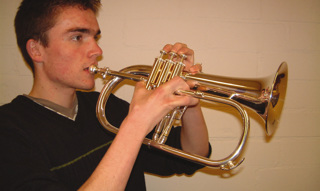
Make sure you sit or stand upright while playing. For a seated position, place both feet firmly on the ground. When standing, keep your feet directly under your hips. Lightly engage your glutes and abdominal muscles, and avoid a hollow or rounded back. Good posture contributes to free and efficient breathing, which affects tone production, dynamic range, and overall endurance.
To open your chest, relax your shoulders and gently pull them back. Keep your head upright, as if you’re a marionette suspended by a string. To check your posture, form an "L" with your thumb and index finger, placing your thumb on the top of your sternum and your chin on your index finger. Take regular breaks to stretch and change positions.
Why Do I Need an Ergonomic Aid?
Ergonomic aids are designed to reduce tension in muscles, joints, and tendons caused by one-sided or unnatural postures. They help maintain proper posture and ensure the instrument’s weight is distributed across larger muscle groups, reducing strain on vulnerable areas like the hands, wrists, and neck.
Ergonomic solutions aren’t just for musicians with complaints—they help every musician play longer and more comfortably, promoting better technique and breathing. By reducing physical tension, musicians can focus more on their musical expression and technique, leading to better sound and more playing enjoyment. After all, prevention is better than cure.
Straps and Harnesses
For many wind instruments, straps and harnesses are the most effective way to distribute weight and prevent fatigue while playing. These accessories make the difference between a painful and a pleasurable playing experience.
Neck Straps
This traditional strap remains popular due to its simplicity and portability. A good neck strap distributes the instrument’s weight across the neck and shoulders, improving playing comfort.
Harnesses
For heavier instruments or extended playing sessions, harnesses provide superior support. They distribute the weight across the entire torso, reducing strain on the neck.
Supports
In addition to straps, various supports are available to relieve specific body parts and improve playing ergonomics.
Thumb and Finger Rests
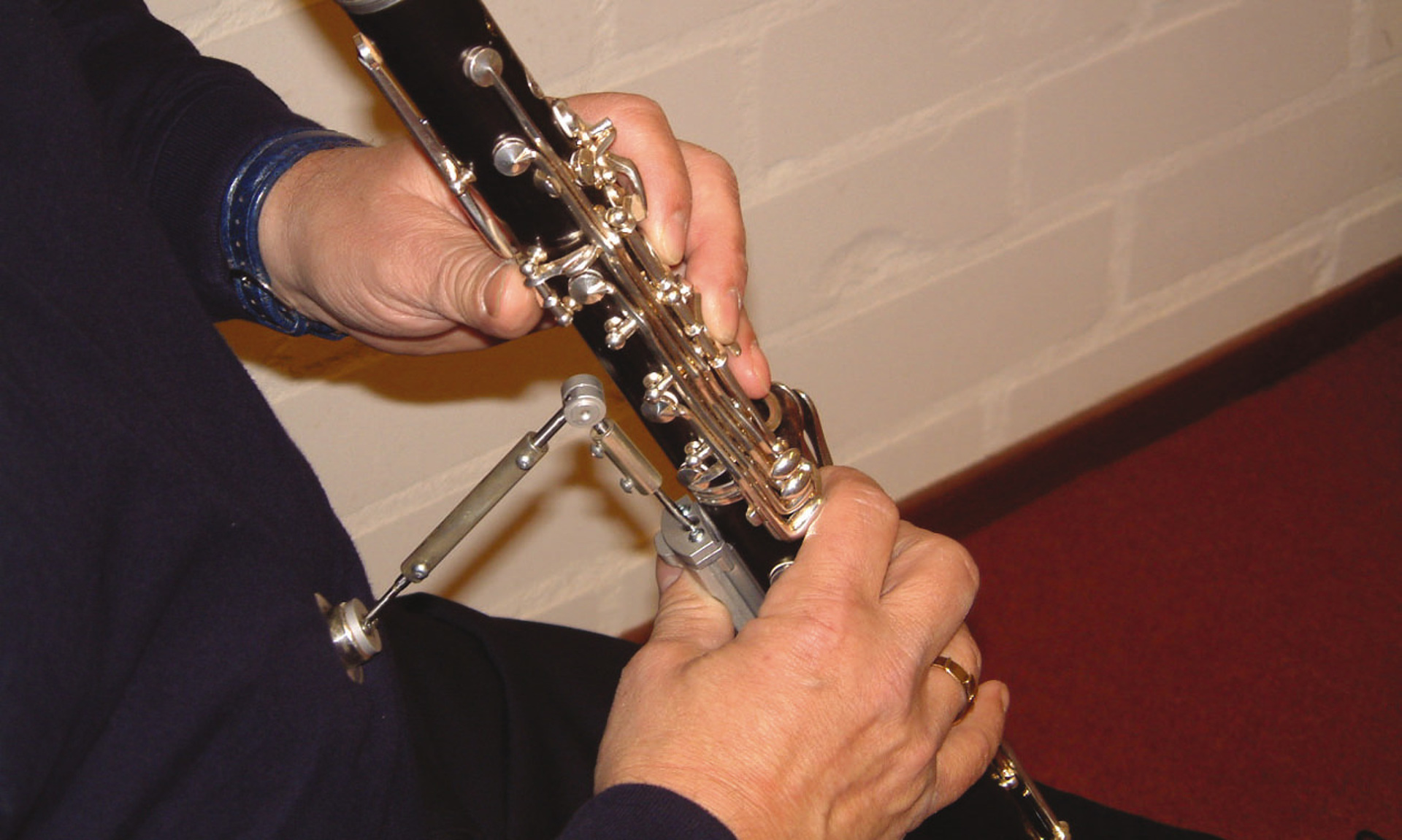
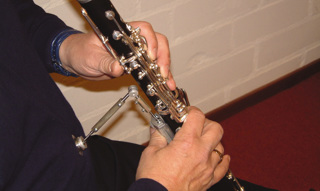
For clarinet, flute, and oboe players, thumb and finger rests are often useful for holding the instrument more easily and securely, even preventing thumb pain after playing.
Floor and Belly Supports
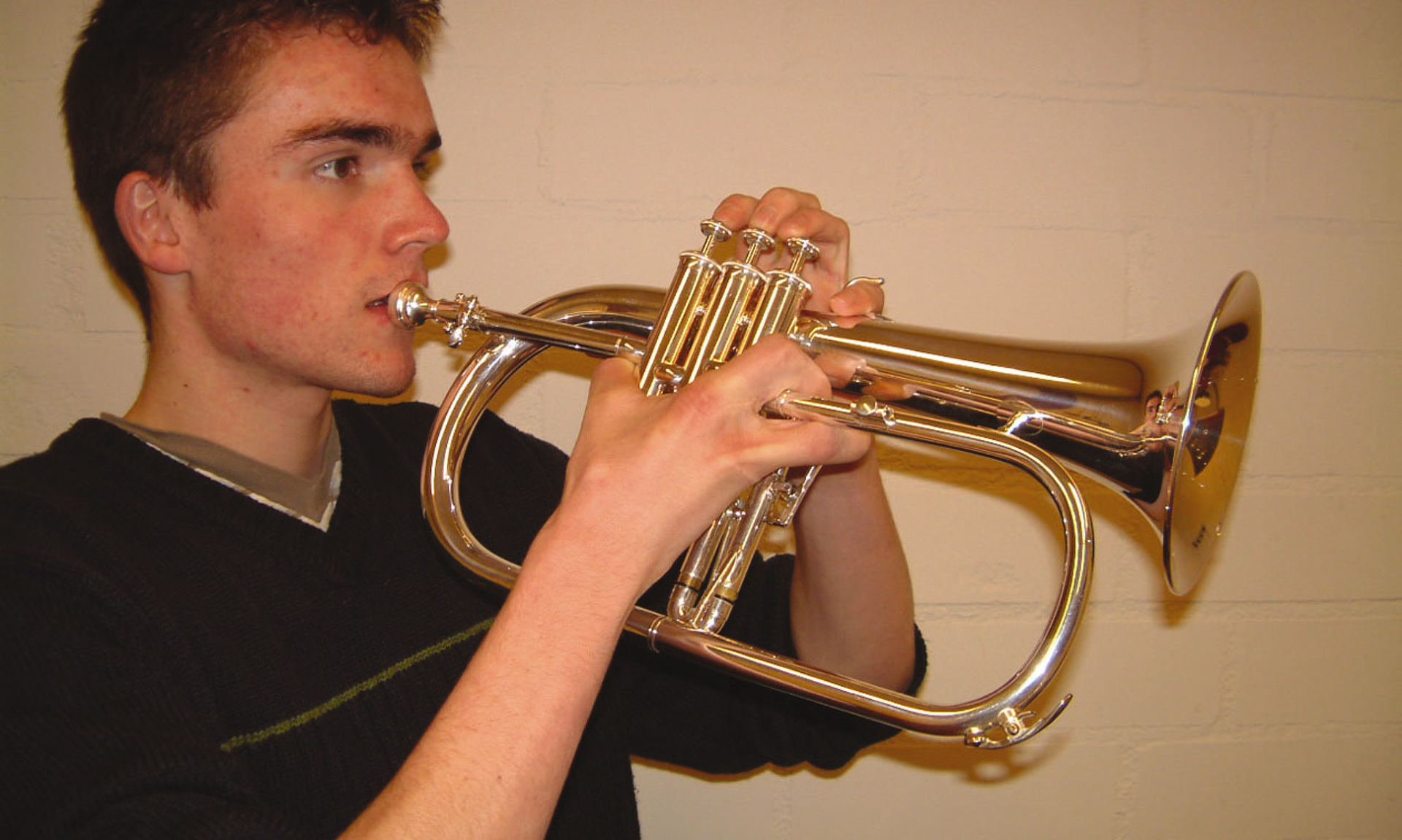
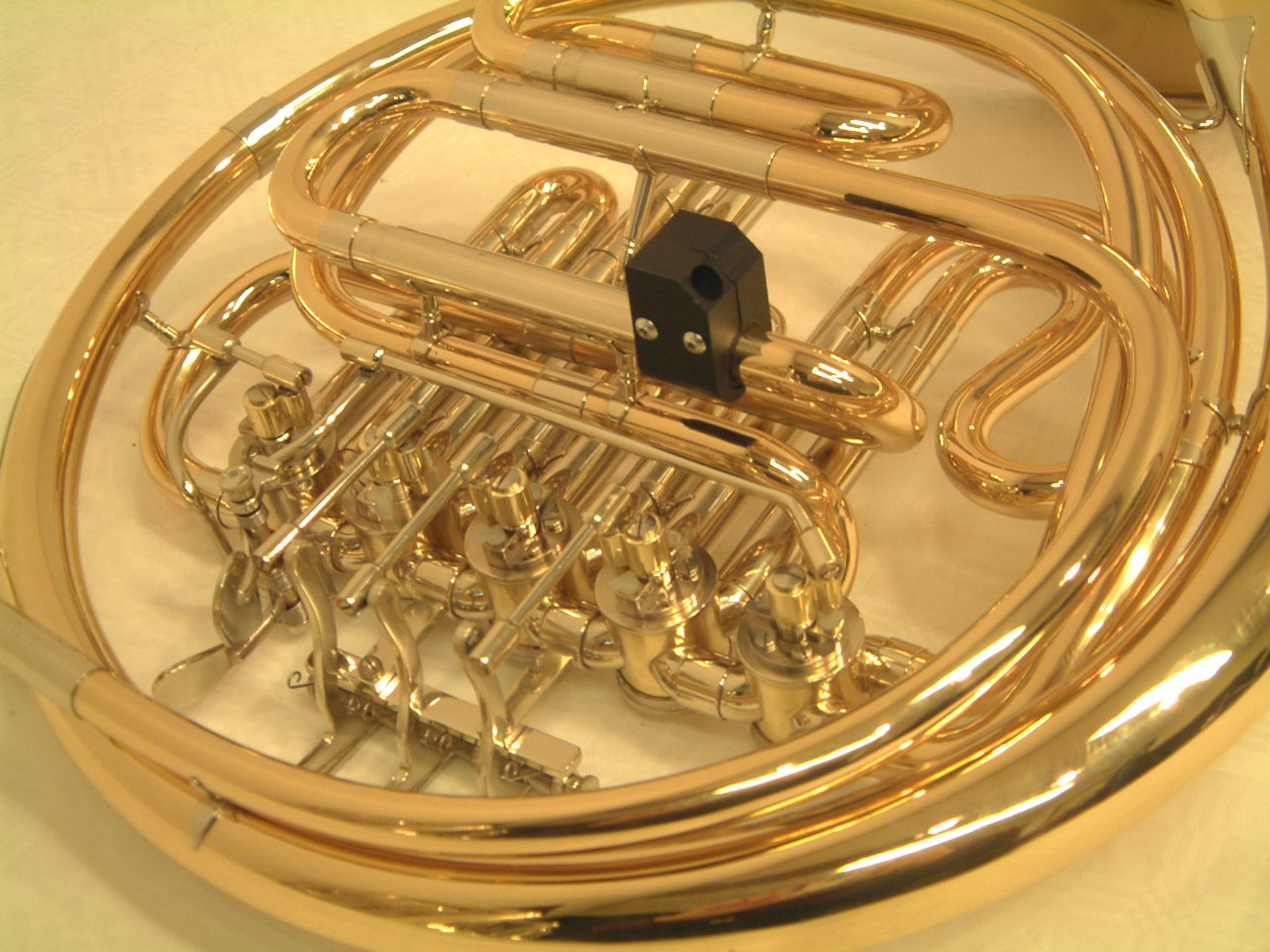
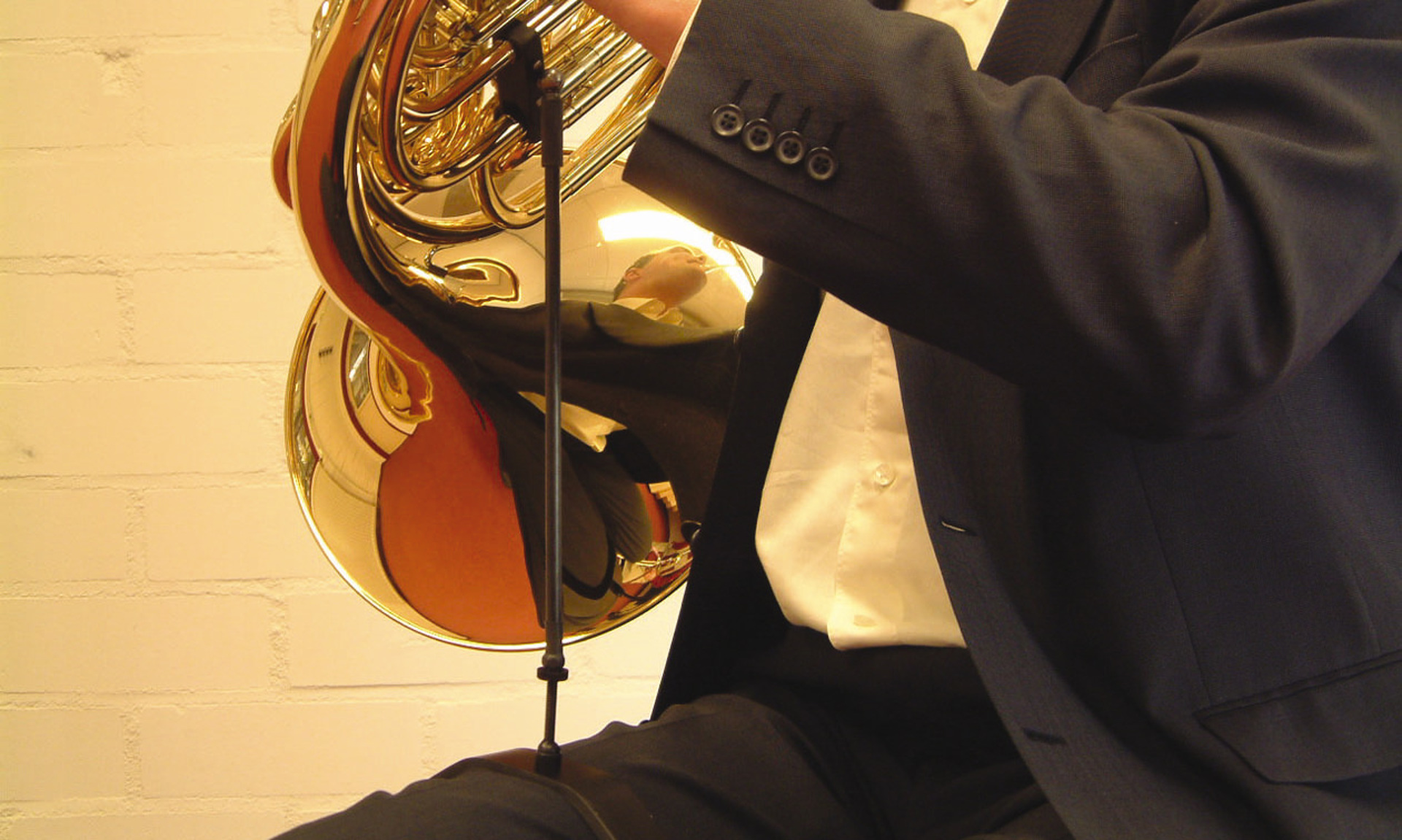
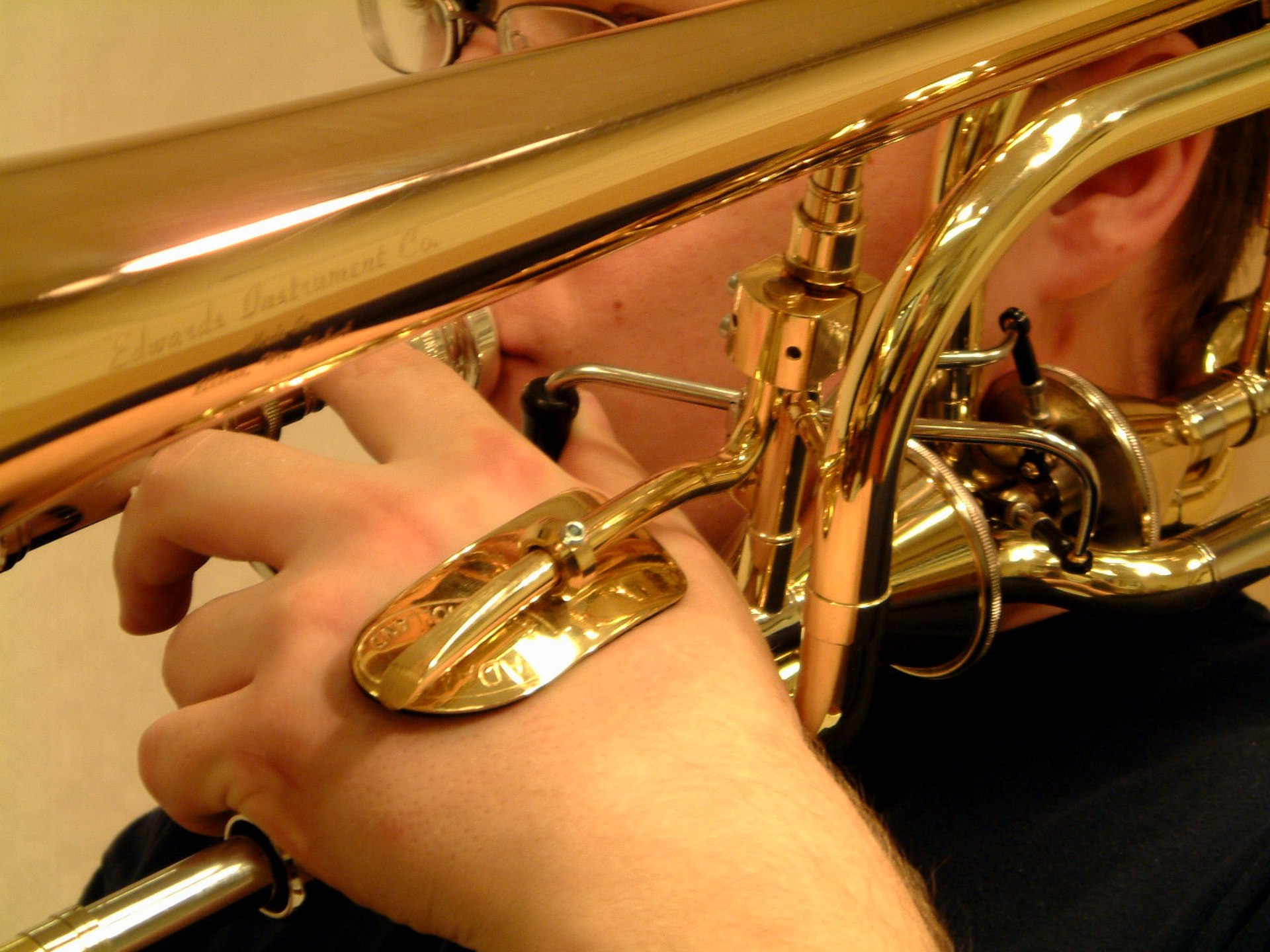
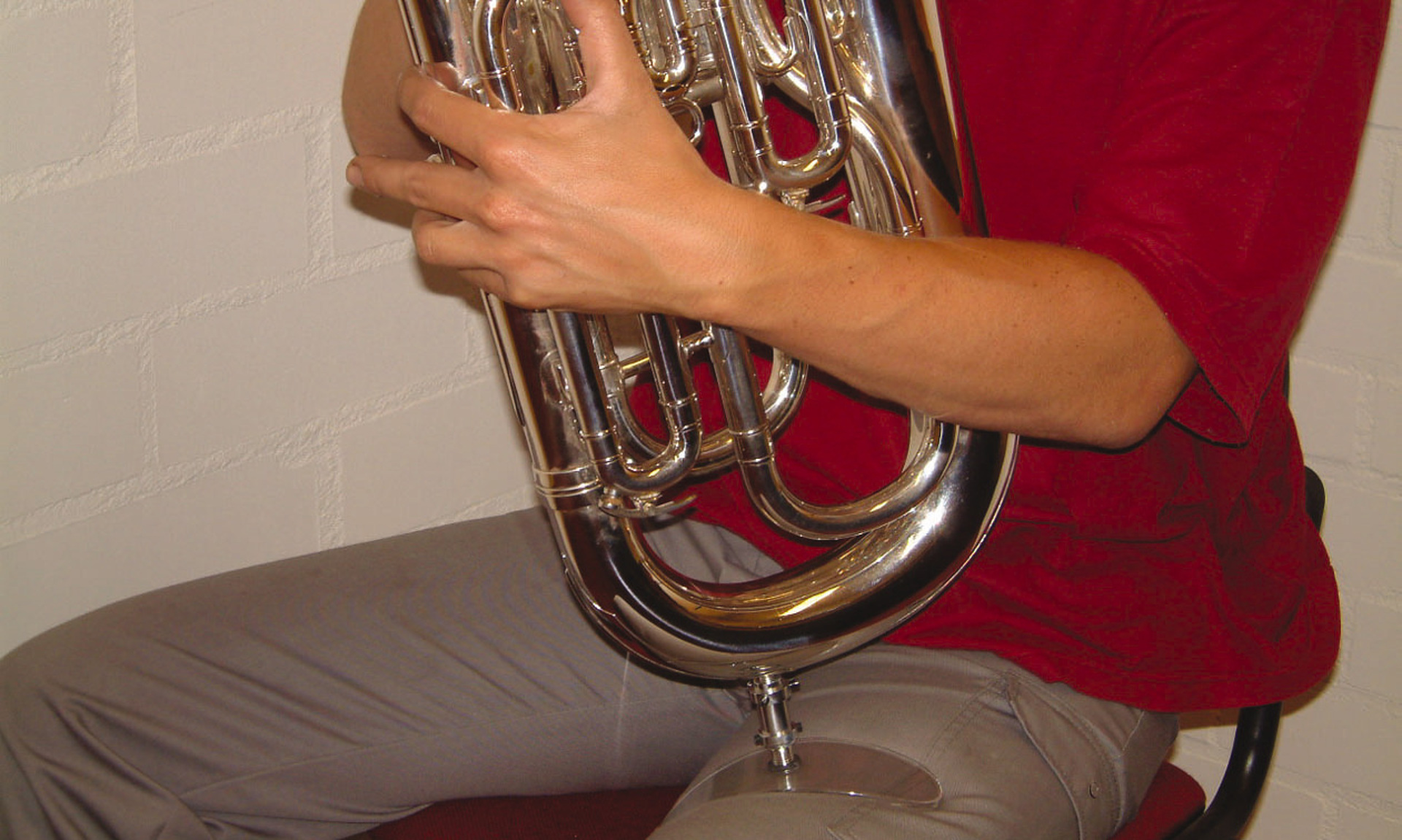
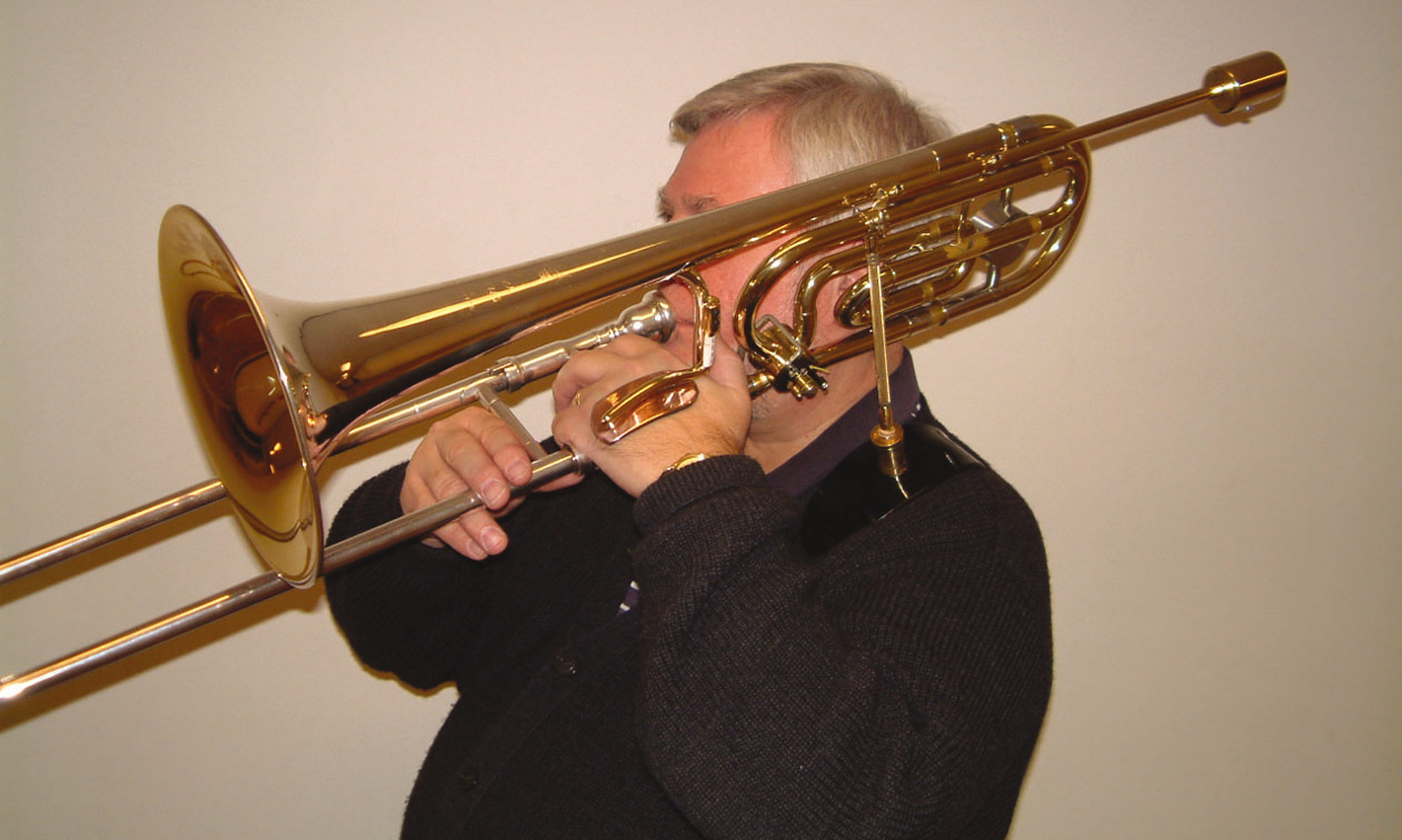
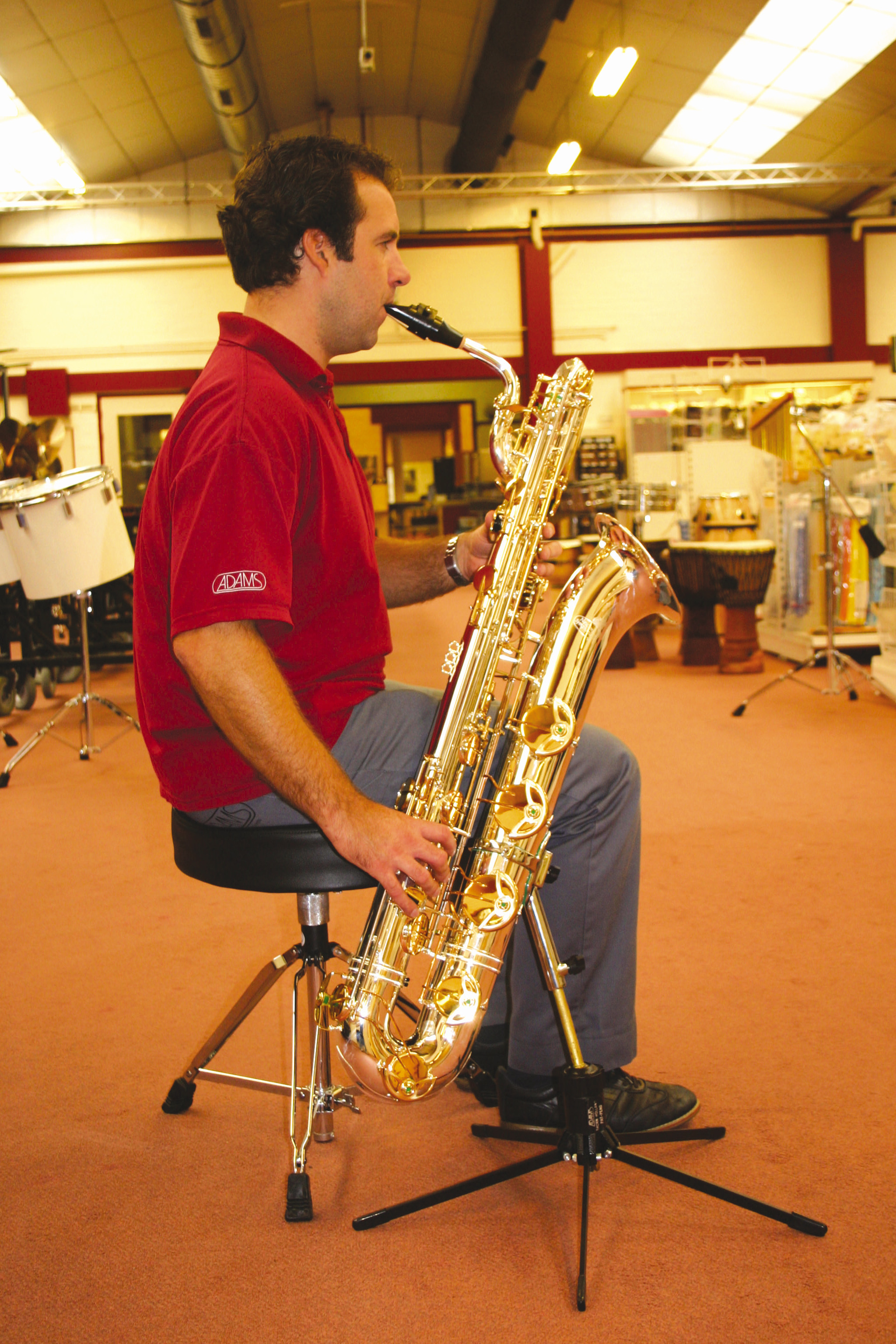
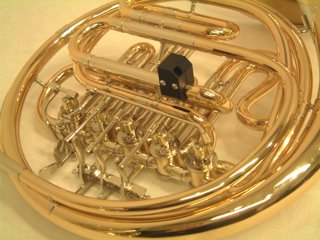
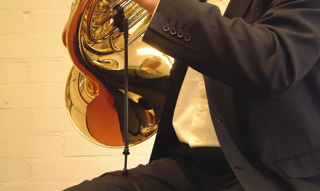
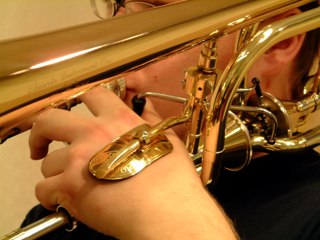
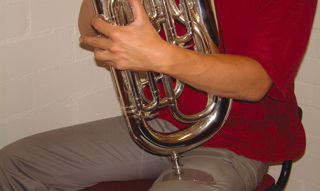
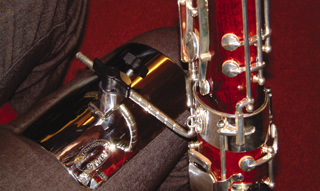
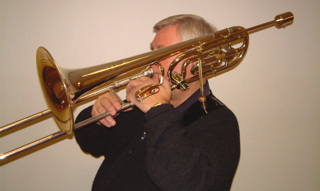
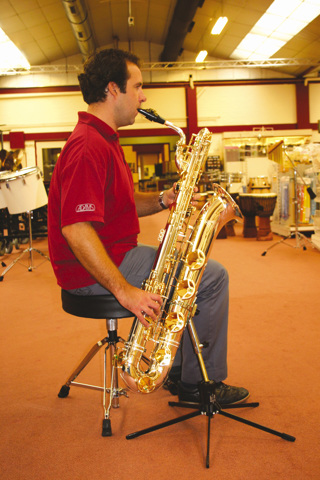
For various wind instruments, specific support solutions are available. A trumpet stand, such as the Ergobrass trumpet stand or Trumpetholder PRO, can help with comfortable playing by bearing the weight of the instrument. This support is not limited to trumpets alone—we offer stands for a wide range of wind instruments, from saxophone and clarinet to horn, trombone, bassoon, and flute. Each support is specially designed for the unique shape and weight distribution of the instrument.
Find what works for you
Choosing an ergonomic aid is personal. The best option depends on your instrument, body type, and playing style. We recommend trying different options and consulting our specialists. If none of our standard options fit, we may be able to create something custom for you.
Some users experience an adjustment period at first, this is normal and a sign that your body is adapting to improved posture and weight distribution. Most ergonomic aids are compact and easy to carry.
Whether you’re dealing with existing complaints or want to take preventive measures, ergonomic wind instrument accessories can make the difference between a painful and an enjoyable musical experience. Invest in your comfort and health, your musical career will benefit.

Vera Baadjou
Vera Baadjou is a rehabilitation physician specializing in the treatment of musicians with musculoskeletal complaints. In her research, "Prevention of Musculoskeletal Complaints in Musicians" (2018), she demonstrates that the most common issues, pain, tingling, numbness, or reduced muscle control, primarily occur in the arms, neck, shoulders, and back. Her scientific work focuses on improving musicians' health and emphasizes the importance of prevention through proper posture and ergonomic aids.