
Playing Without Pain: Ergonomic Advice and Accessories for Musicians
Neck pain after rehearsal, shoulder complaints during practice, back pain at the drum kit: many musicians know the feeling. But pain is not part of playing music. At Adams you'll find ergonomic accessories, the option to have your instrument adapted to your needs, and personal advice from rehabilitation physician Vera Baadjou.
Many musicians play through pain: that doesn't have to be the case.
Research by Vera Baadjou shows that 67% of conservatoire students experience musculoskeletal complaints: in the neck, shoulders, arms or back. Most complaints are not caused by playing too much or too long, but by incorrect posture.
Addressing problems early prevents a minor complaint from becoming a persistent one.
Vera Baadjou
Vera Baadjou is a rehabilitation physician specializing in the treatment of musicians with musculoskeletal complaints. In her research, "Prevention of Musculoskeletal Complaints in Musicians" (2018), she demonstrates that the most common issues, pain, tingling, numbness, or reduced muscle control, primarily occur in the arms, neck, shoulders, and back. Her scientific work focuses on improving musicians' health and emphasizes the importance of prevention through proper posture and ergonomic aids.

Do you experience persistent discomfort as a musician? Always consult your doctor.
Instrument adaptations for players with a disability
Some musicians can no longer play their instrument in the standard way due to a physical disability, condition or injury. Adams has its own production facilities and can adapt instruments accordingly. One example is converting an instrument from right-handed to left-handed. What else is possible depends on the instrument and the individual situation. Contact us for a personal consultation.
Why Good Posture Matters
Many musicians experience pain, stiffness, or tingling during or after playing. There’s a common misconception that playing music must come with discomfort. However, research shows that most injuries aren’t caused by playing too much or too long, but by poor posture. Pain is your body’s alarm signal that something is wrong with your playing posture or physical strain.
A practical tip from Vera: first settle into a good sitting position, then bring the instrument to you. Doing it the other way round creates unnecessary tension in the neck and shoulders.
What Is the Correct Posture?
Make sure you sit or stand upright while playing. For a seated position, place both feet firmly on the ground. When standing, keep your feet directly under your hips. Lightly engage your glutes and abdominal muscles, and avoid a hollow or rounded back. Good posture contributes to free and efficient breathing, which affects tone production, dynamic range, and overall endurance.
To open your chest, relax your shoulders and gently pull them back. Keep your head upright, as if you’re a marionette suspended by a string. To check your posture, form an "L" with your thumb and index finger, placing your thumb on the top of your sternum and your chin on your index finger. Take regular breaks to stretch and change positions.
Why Do I Need an Ergonomic Aid?
Ergonomic aids are designed to reduce tension in muscles, joints, and tendons caused by one-sided or unnatural postures. They help maintain proper posture and ensure the instrument’s weight is distributed across larger muscle groups, reducing strain on vulnerable areas like the hands, wrists, and neck.
Ergonomic solutions aren’t just for musicians with complaints—they help every musician play longer and more comfortably, promoting better technique and breathing. By reducing physical tension, musicians can focus more on their musical expression and technique, leading to better sound and more playing enjoyment. After all, prevention is better than cure.
Straps and Harnesses
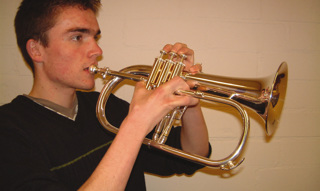
For many wind instruments, straps and harnesses are the most effective way to distribute weight and prevent fatigue while playing. These accessories make the difference between a painful and a pleasurable playing experience.
Neck Straps
This traditional strap remains popular due to its simplicity and portability. A good neck strap distributes the instrument’s weight across the neck and shoulders, improving playing comfort.
Harnesses
For heavier instruments or extended playing sessions, harnesses provide superior support. They distribute the weight across the entire torso, reducing strain on the neck.
Supports
In addition to straps, various supports are available to relieve specific body parts and improve playing ergonomics.
Thumb and Finger Rests
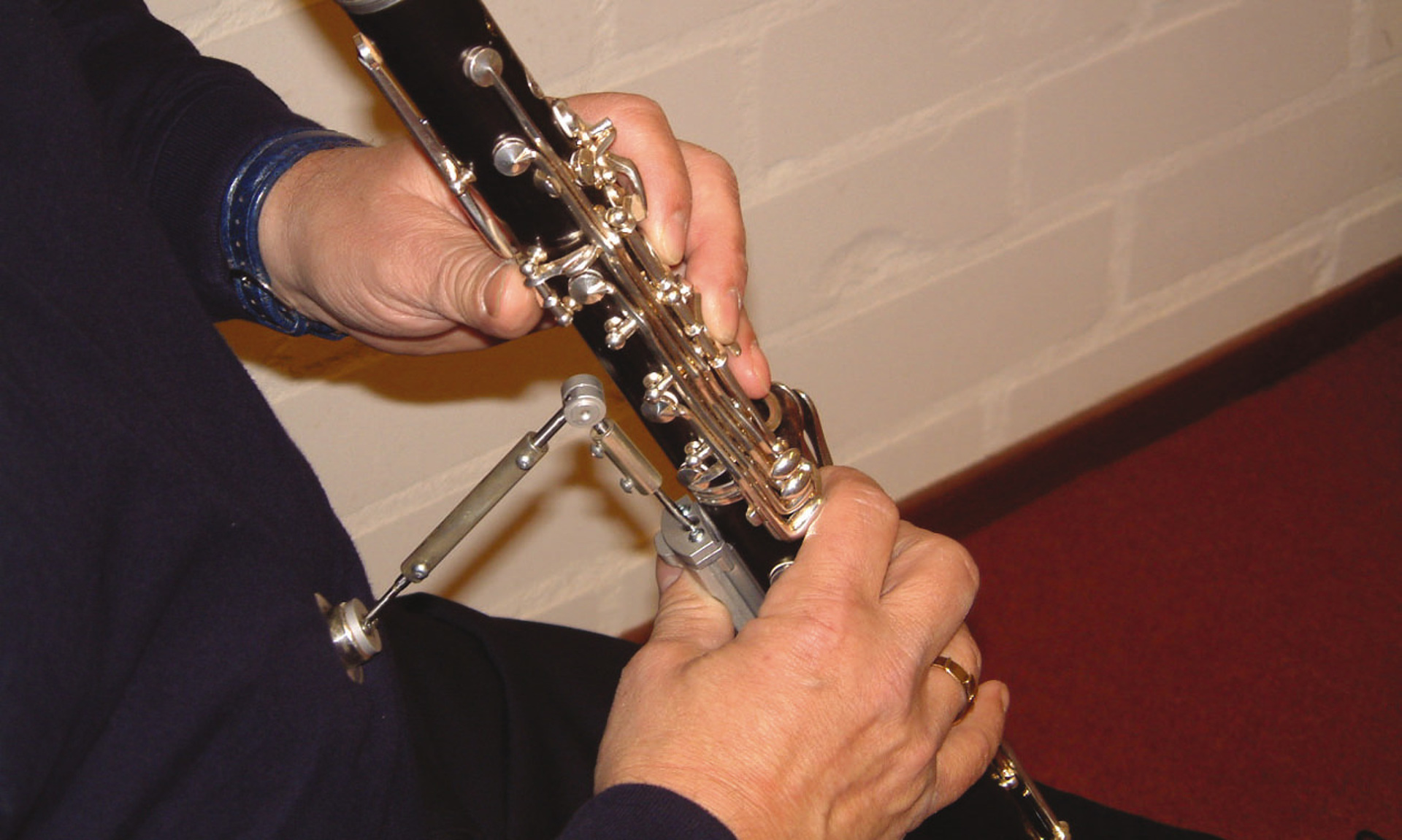
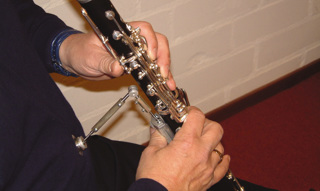
For clarinet, flute, and oboe players, thumb and finger rests are often useful for holding the instrument more easily and securely, even preventing thumb pain after playing.
Floor and Belly Supports
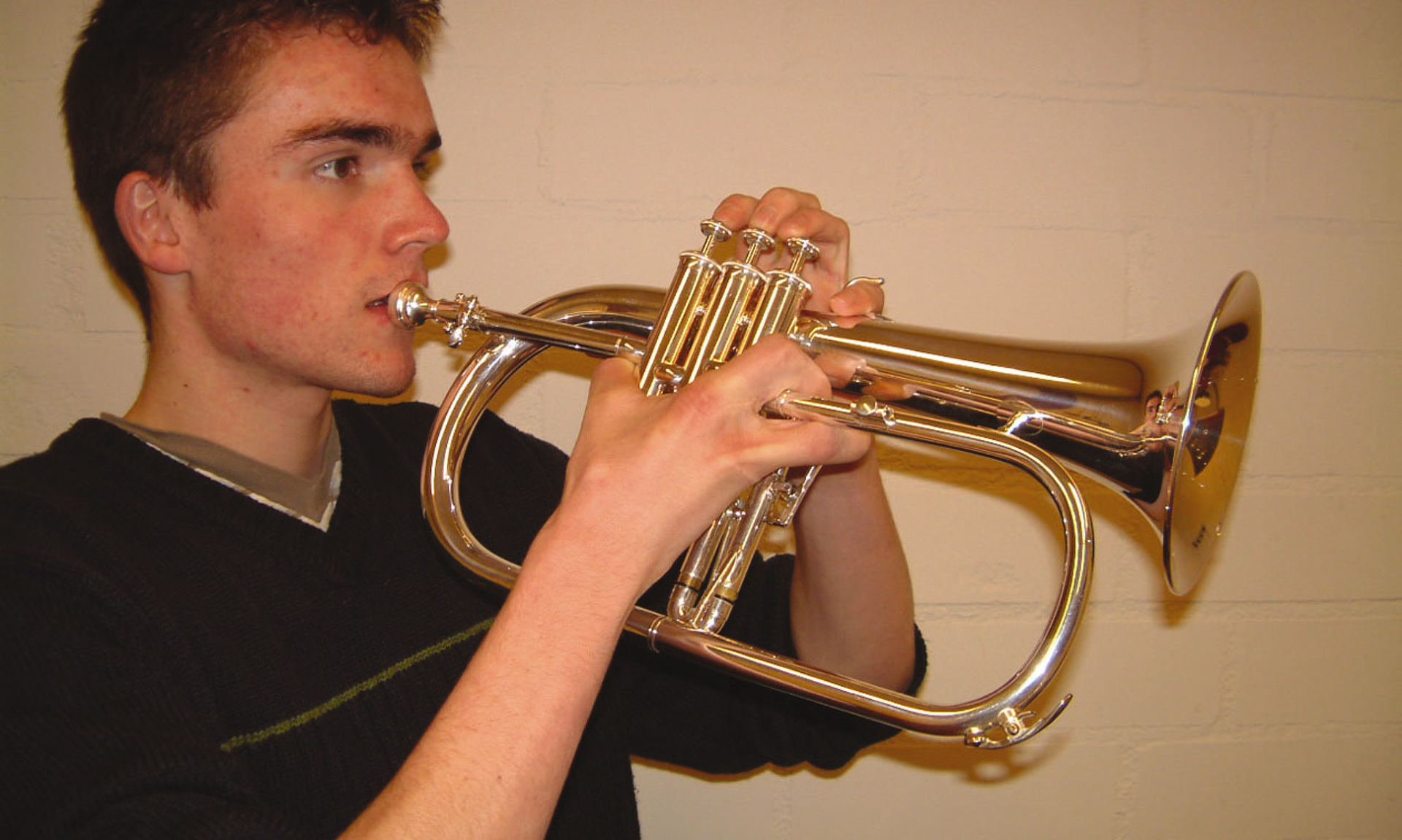
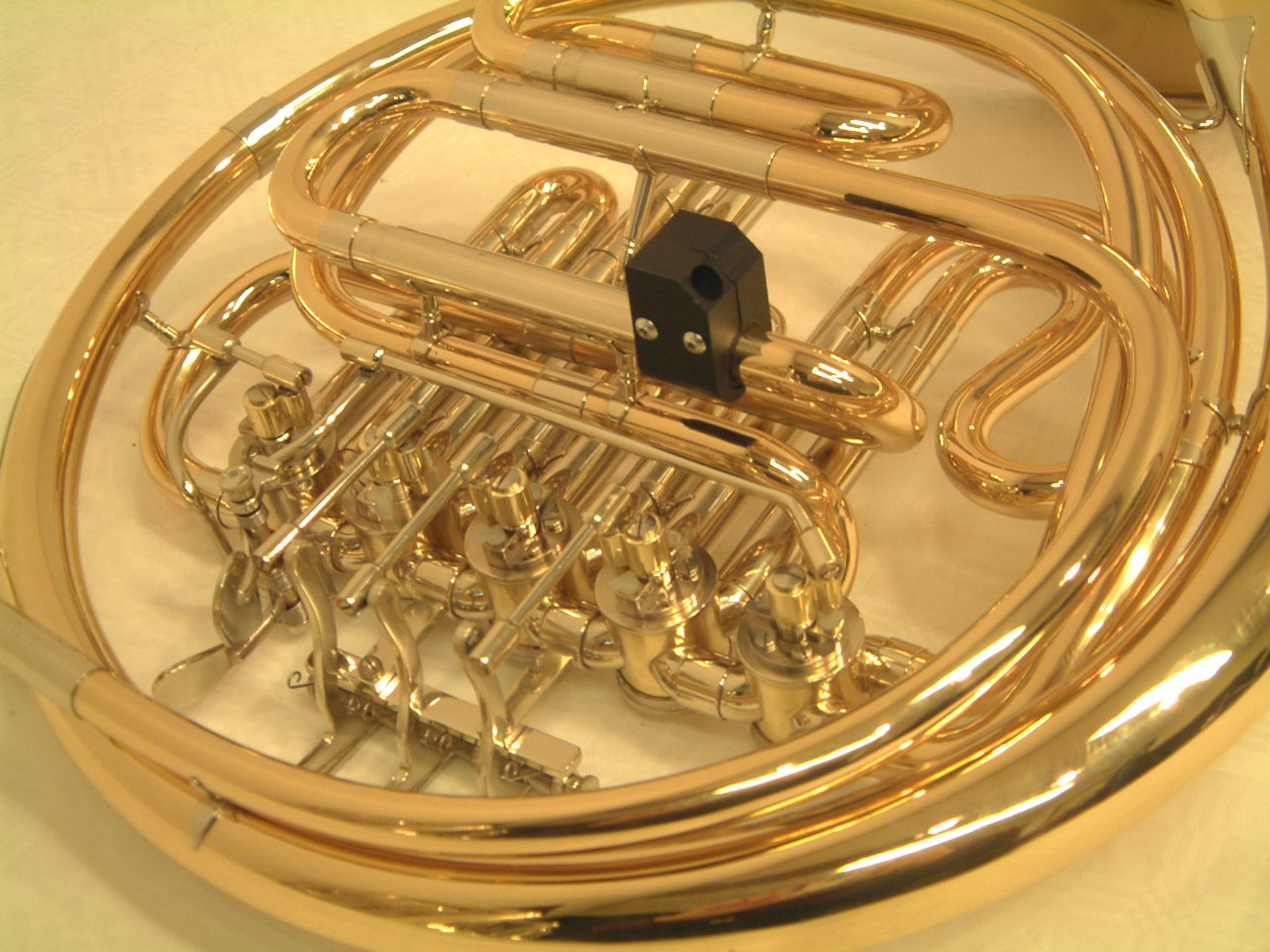
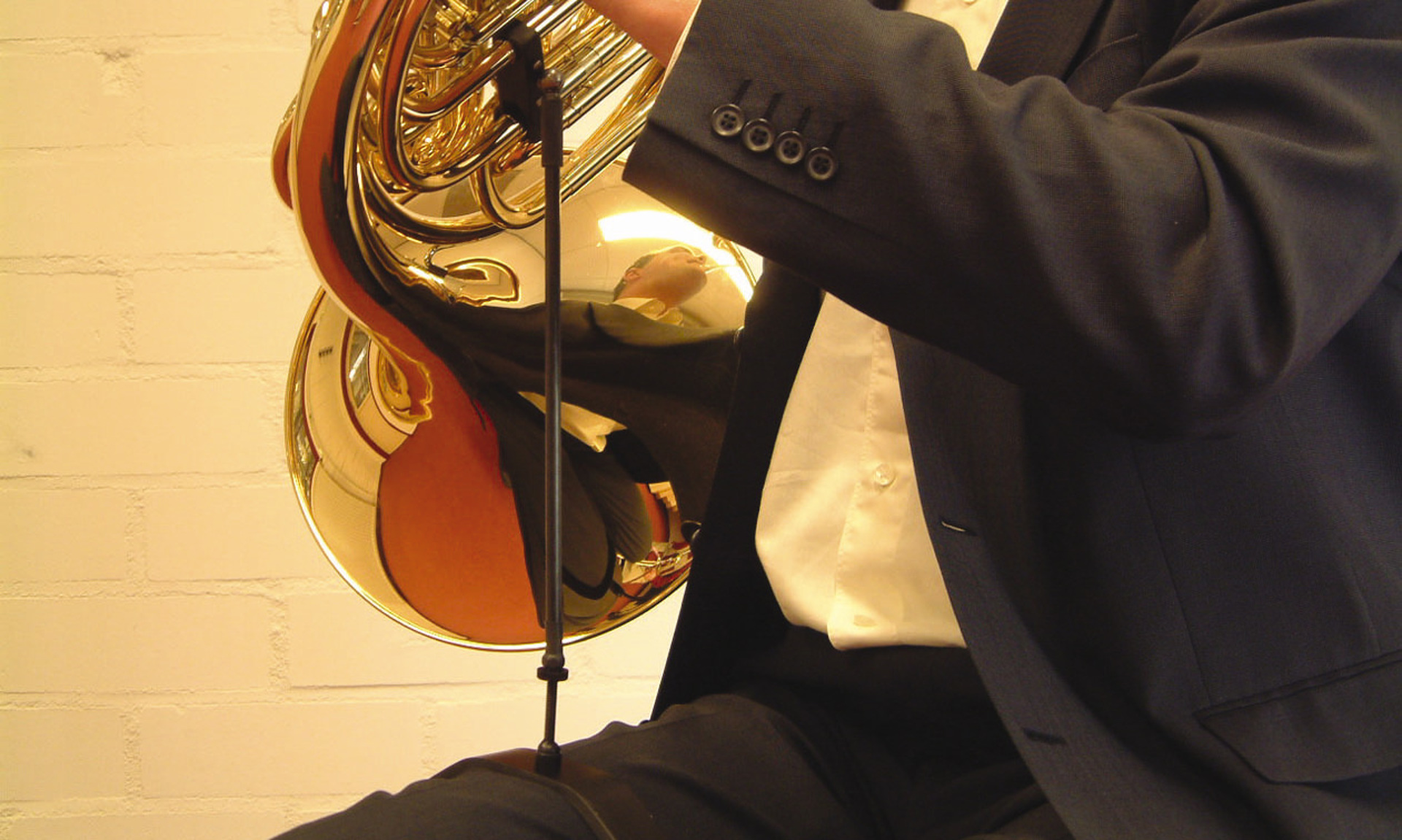
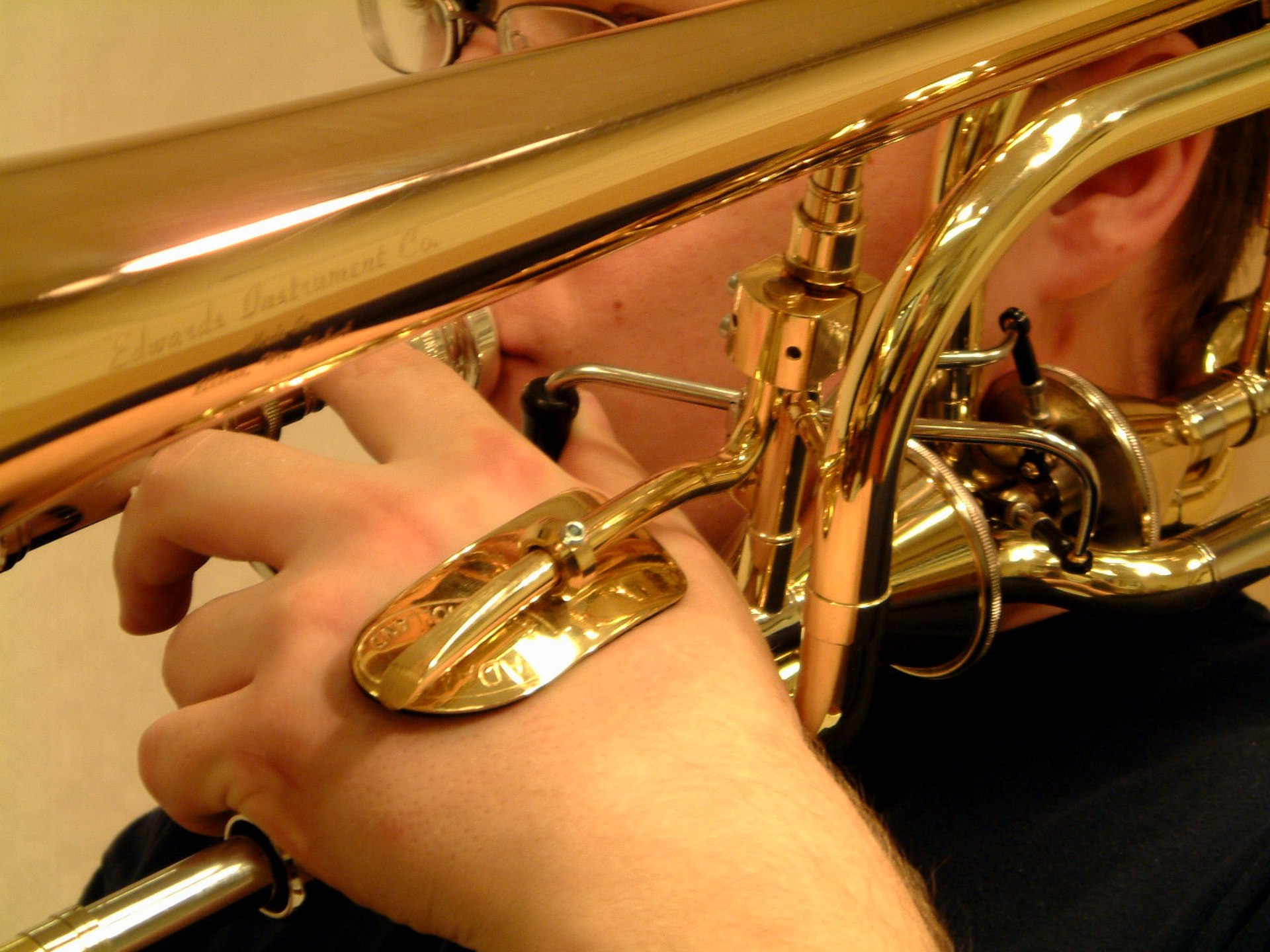
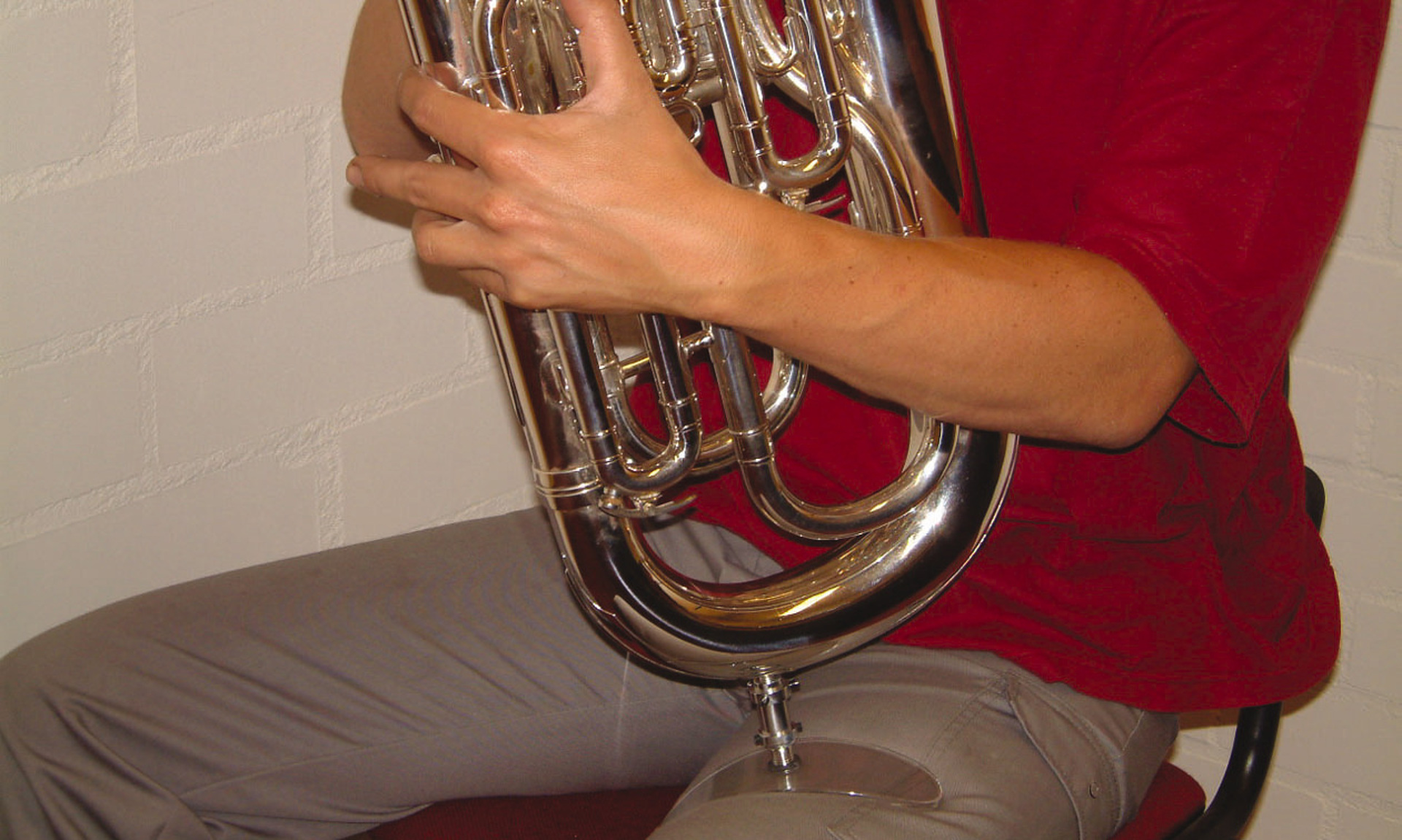
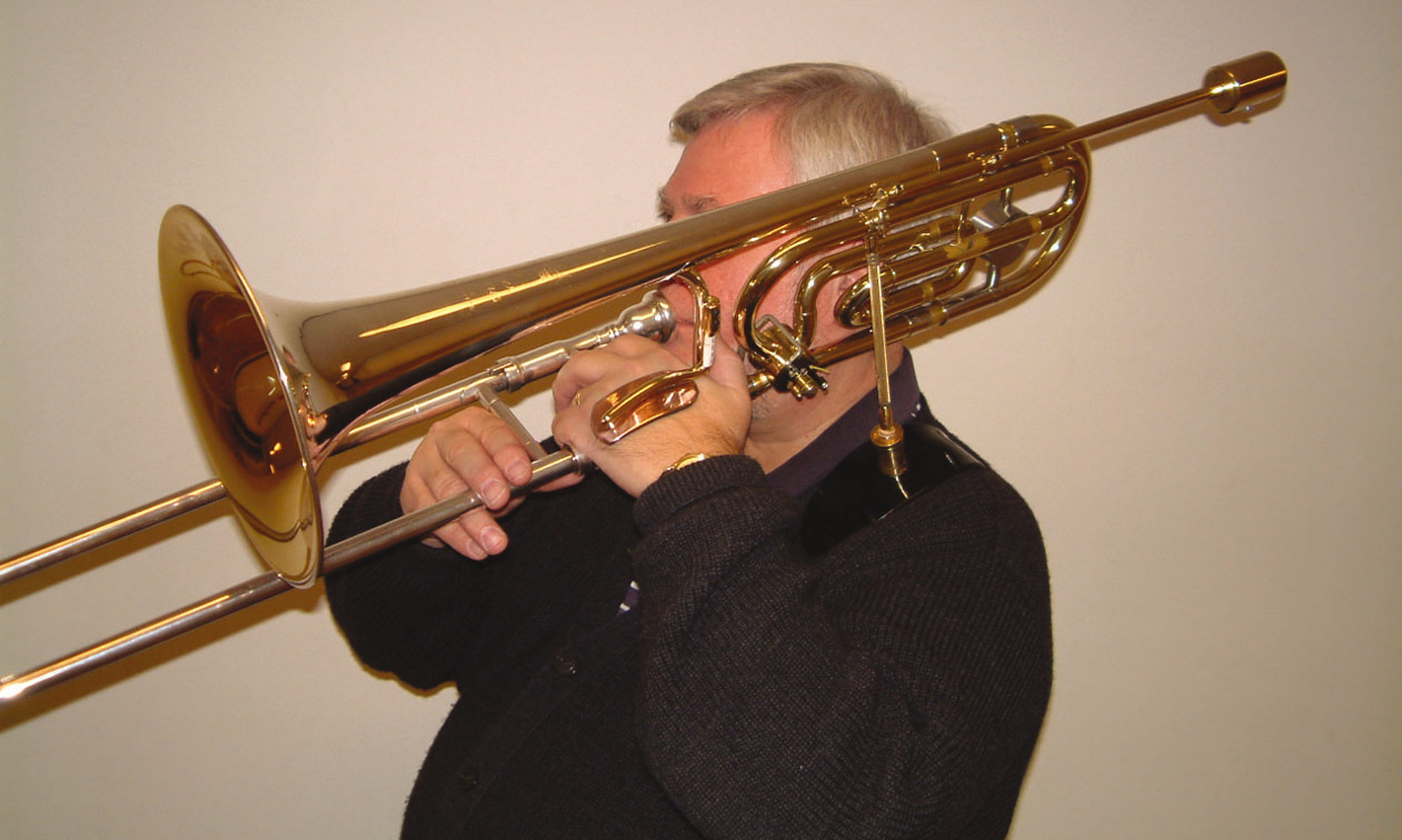
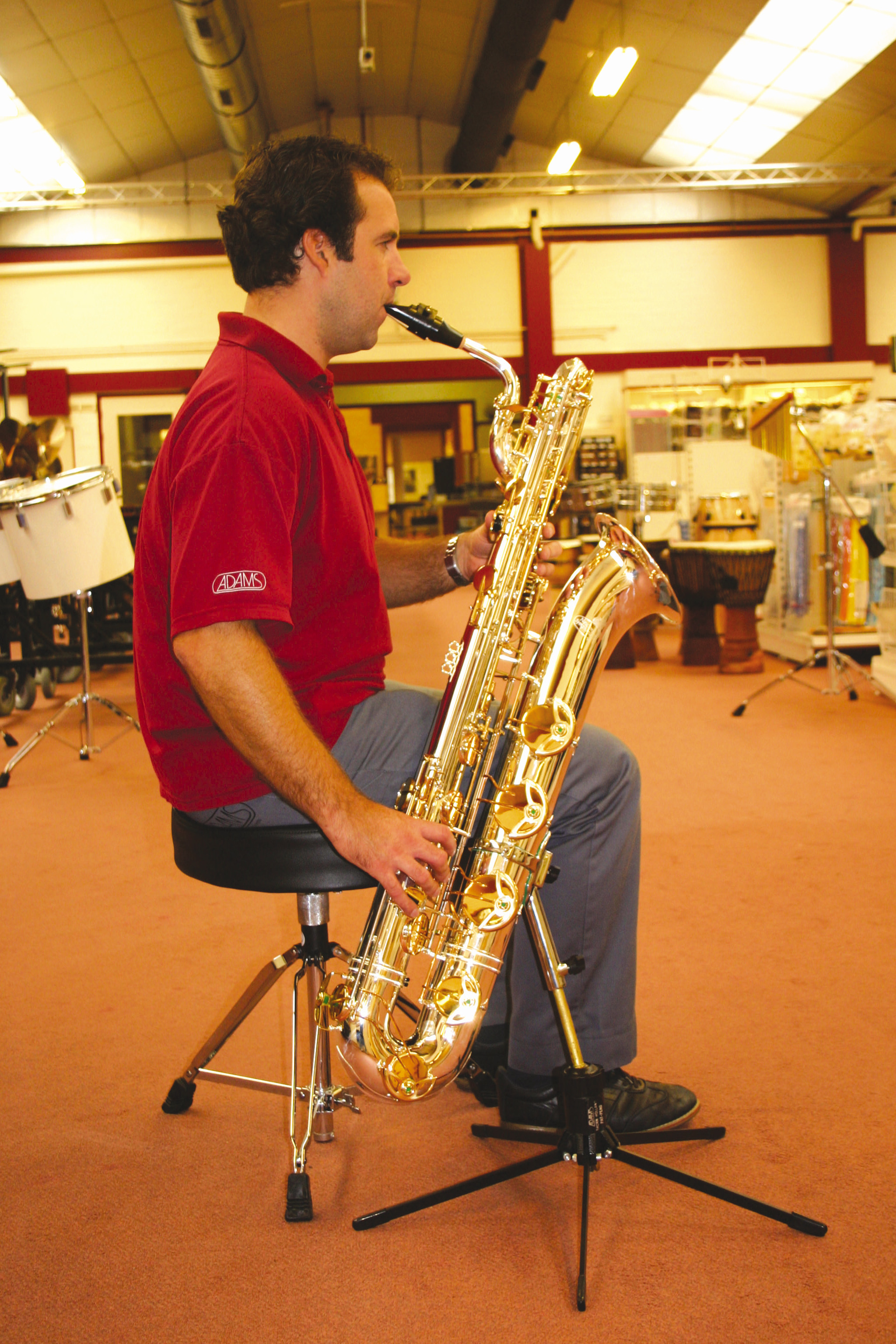
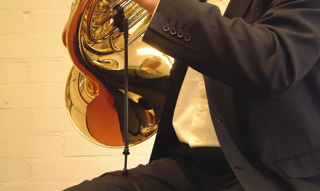
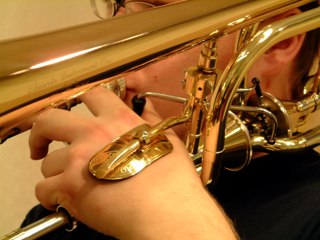
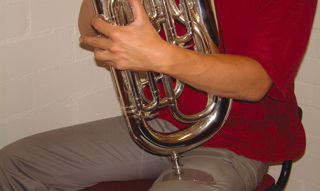
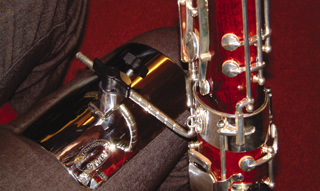
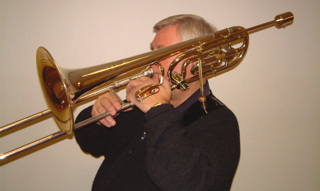
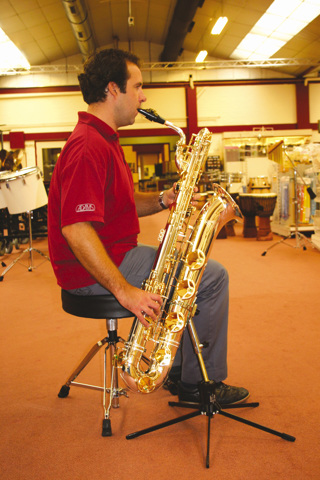
For various wind instruments, specific support solutions are available. A trumpet stand, such as the Ergobrass trumpet stand or Trumpetholder PRO, can help with comfortable playing by bearing the weight of the instrument. This support is not limited to trumpets alone—we offer stands for a wide range of wind instruments, from saxophone and clarinet to horn, trombone, bassoon, and flute. Each support is specially designed for the unique shape and weight distribution of the instrument.
Accessories for drummers
Good posture at the drum kit starts with the right stool. Adams stocks three types.
- A round stool is the standard option. It offers no additional postural support.
- A saddle stool has a forward-sloping seat surface. This causes the pelvis to tilt slightly forward, reducing pressure on the lower back. This type is suitable for drummers who spend long periods at the kit or who experience lower back complaints.
- A stool with a backrest offers the most support for extended playing sessions or for drummers with existing back complaints.
If your complaints persist, an appointment with Vera Baadjou is the recommended next step.
Advice at Adams
At Adams, our specialists play instruments themselves and are happy to help you find the best solution for your situation. Whether you are looking for an ergonomic aid, considering an instrument adaptation or simply want to know which stool suits your playing style: you are welcome in our shops in Ittervoort and Lummen.
Do you have a specific complaint and would you like medical advice? Register for Vera Baadjou's walk-in clinic via [LINK].

Frequently asked questions
Why do I get neck pain from playing music?+
Neck pain in musicians is usually not caused by playing too much, but by an unfavourable head position while playing. Bringing the instrument to you rather than leaning towards the instrument avoids unnecessary tension in the neck and shoulders. An ergonomic aid or adjustment to the thumb rest can already make a noticeable difference.
Is it normal for my thumb to hurt after playing the clarinet?+
Thumb pain after playing the clarinet is common, but it is not normal. The thumb bears the weight of the instrument and is held in a tense position for extended periods. An ergonomic thumb rest distributes the weight more evenly and enables a relaxed wrist position. If the pain persists, it is advisable to seek advice from a specialist.
What is the difference between a neck strap and a harness?+
A neck strap distributes the weight of the instrument across the neck and shoulders and is suitable for lighter instruments or shorter playing sessions. A harness distributes the weight across the entire torso and significantly reduces the load on the neck. For heavier instruments or extended playing, a harness is the better choice.
Which drum stool is best for my back?+
It depends on your complaints and how often you play. A saddle stool tilts the pelvis slightly forward, relieving the lower back — suitable for drummers who regularly sit at the kit. A stool with a backrest offers the most support for extended playing or for drummers with existing back complaints. A round stool offers no additional back support.
How should I sit at the drum kit?+
Adjust the stool so that your knees are at approximately a 90-degree angle and your feet rest flat on the floor or the pedals. Keep your back straight and your shoulders relaxed. Hold your wrists as straight as possible while playing. Avoid unnecessary movement of the elbows or shoulders.
What is the correct posture when playing a wind instrument?+
Sit or stand upright with a straight back and relaxed shoulders. Keep your head straight and bring the instrument to you, not your body to the instrument. This prevents tension in the neck and shoulders. The position of the thumb rest also affects how the wrist and forearm are loaded.
Can I have my instrument adapted if I have a disability?+
Yes. Adams has its own production facilities and can adapt instruments for players with a physical disability, condition or injury. A well-known example is converting an instrument from right-handed to left-handed. What else is possible and affordable depends on the instrument and the situation. Contact us for a personal consultation.