
Help in finding the right trumpet for you.
At Adams, you get the best advice! At first glance, all trumpets look pretty much the same, with slight differences in finish and occasionally a different shape. But which one suits you best? Below, we provide you with some tips to help you take steps in finding your trumpet. We discuss playing level, music genre, budget, brands, different materials, models, and looks.
What kind of player are you?
To find the best trumpet for you, it is important to know your level as a player and where you will be using the trumpet. We usually divide musicians into three groups: beginner, advanced, and professional. By beginner, we mean people who are still really learning the basics. An advanced trumpet player has been playing for several years and is developing their own style. The last category includes professional artists and highly advanced players.
Whether you are a beginner trumpet player or have been playing for a few years, a trumpet specialist will always be happy to help you find the best fitting trumpet for you. We also recommend talking to a specialist before purchasing a trumpet to discuss your preferences, and they will be able to suggest several brands and models for you to try out.
The 'beginner' category can be further divided into two subcategories: beginner children and beginner adults. We have also written a separate article for beginners to better assist this group in selecting a trumpet.
Which trumpet for which music style?
Most trumpets can be divided into two categories: trumpets for classical music and trumpets for light music. Light music includes genres such as jazz, pop, and rock. Trumpets suitable for classical music are often played in groups and need to blend well within an orchestra or brass section. These trumpets mix better with other (wind) instruments. Trumpets for light music are often the only trumpet in a small group or the only brass instrument. These trumpets are therefore allowed to sound brighter and have more core.

Which brand is the best choice?
You pay extra for a brand, and this is no different with instruments. For trumpets, there are two good reasons for this. These brands have earned their reputation. Often, they have years of experience in making trumpets, and since making trumpets still involves a lot of handcrafting, this experience is invaluable. The second reason is more practical: with branded trumpets, you can expect parts to be more easily available and for a longer time if repairs are needed. This way, you can enjoy your trumpet for much longer. Well-known brands to keep an eye on include Bach, Yamaha, and of course, Adams.
Trumpet Brand Comparison Table
| Brand | Adams | Yamaha | Manchester Brass | Schilke | Vincent Bach |
|---|---|---|---|---|---|
| Positioning | Premium custom & professional | Versatile | Entry-level & education | Specialist (lead / jazz) | Orchestral standard |
| Target Group | Beginner to professional | Beginner to professional | Beginner to intermediate | Professional | Advanced to professional |
| Sound Character | Warm, rich, flexible | Balanced and consistent | Neutral and accessible | Very direct and bright | Dark and broad (orchestral) |
| Construction | Handcrafted (custom options) | Industrially highly consistent | Mass-produced | Handcrafted (small batch) | Traditional craftsmanship |
| Playing Feel | Unmatched projection | Direct and predictable | Forgiving | Highly responsive | Stable and focused |
| Innovation | High (Custom Series) | High (R&D) | Average | High (playing response) | Traditional |
| Price Level | €€, €€€€ | €€, €€€€ | €, €€€ | €€€€ | €€€€ |
Which trumpet material suits you?
The body of trumpets is almost always made from brass. Brass is durable and transmits sound effectively. The bell, on the other hand, is often made from a different material, giving the sound a slightly different ‘finish.’ The most commonly used metals are gold brass, sterling silver, bronze, or copper. In our article about materials, we briefly describe what these materials do to the sound.

How do you find the right model?
By now, you probably have an idea of your skill level, the type of music you want to play, and the material that suits you best. You may even have identified a few brands that you feel comfortable with. A brand usually offers several models that meet your needs. The best way to find the right model is to try out these trumpets. Contact us in advance to check which models we have available in our showrooms in Ittervoort and Lummen, and to schedule an appointment with one of our specialists.
Let the specialist know in advance what your exact preferences are. Our specialist may then recommend models or brands that you might not have found yourself. If there are several trumpets of the model you're looking for, test them all. Since trumpets are still often handmade, there are small differences between trumpets of the same model.
Frequently Asked Questions
How do I know which trumpet brand suits me best?+
Every brand has its own tonal character and ergonomics. Adams focuses on warm, flexible tone with custom options. Yamaha offers consistent quality for a broad audience. Bach is the orchestral standard. The only way to know what suits you is to try. Visit our shops in Ittervoort or Lummen for a comparison test.
Does the bell material make a difference to the sound?+
Yes. A brass bell produces a bright, brilliant sound. Gold brass sounds warmer and fuller. Copper gives the richest, warmest tone but projects less. For orchestral players, brass or gold brass is generally the best choice. Read more on our alloys page.
What is the difference between lacquered and silver-plated?+
Lacquer makes the sound slightly warmer and more spread. Silver-plating gives a more sparkling sound with slightly more projection. The difference is subtle: do not be guided by aesthetics alone, but try both versions if you have the choice.
When am I ready for a professional trumpet?+
When your playing style and level demand more tonal depth, better response or specific characteristics your current instrument cannot offer. That moment differs for every player. A conversation with one of our specialists will help you decide whether an upgrade makes sense.
How do you stand out with your trumpet?
Lastly, consider the looks of your trumpet. Do you want the instrument to have a certain appearance, or add your own personal touch? This can be achieved with the finish. There are several different finishes available for trumpets, but the most common ones are lacquered or silver-plated.
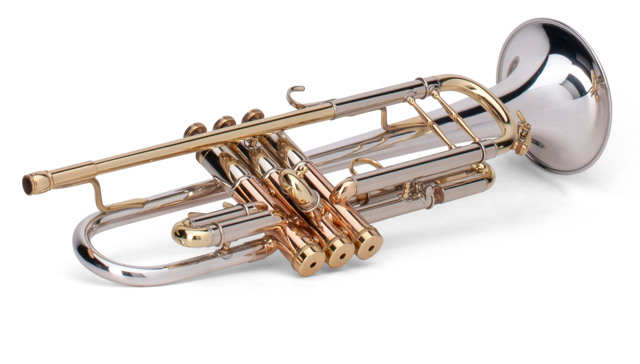
Finish
- Unlacquered: This is not really a finish; the raw material is only polished, so you truly hear the material the trumpet is made from. However, an unlacquered instrument is more susceptible to oxidation.
- Lacquered: Compared to an unlacquered instrument, lacquer will make the sound a bit warmer and more diffuse. There are often options within lacquer finishes, such as gold lacquer or antique lacquer.
- Silver-plated: This finish makes the sound a bit brighter and enhances the projection slightly.
- Gold-plated: A gold-plated instrument sounds almost indistinguishable from the original raw state.
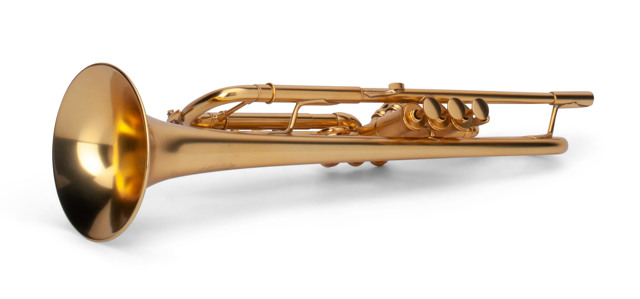
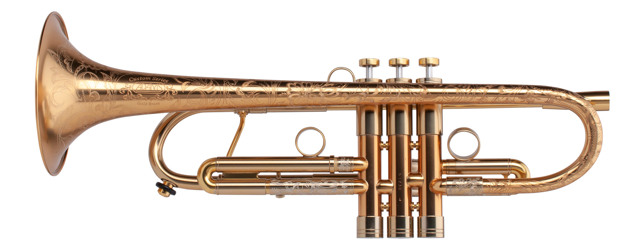
Engraving
An engraving must be applied during the production of an instrument, which is why a personalized engraving is usually only possible with custom models. Some instrument makers include a standard engraving on certain models to give the instrument an added touch.
Google Reviews
We are proud of the appreciation of our customers.
Customers from all over the Benelux and Germany rated our service in the stores with 4.6/5 stars on Google Reviews.
Have you recently shopped with us or used our services?
We would love to hear your opinion. Your feedback helps us continuously improve our service.
Thank you for your trust and support! #TogetherInMusic