
Student model vs professional instrument: what is the difference?
On paper, the differences seem small. A student model has valves, a bell and a leadpipe. A professional model does as well. Yet there is a world of difference between them.
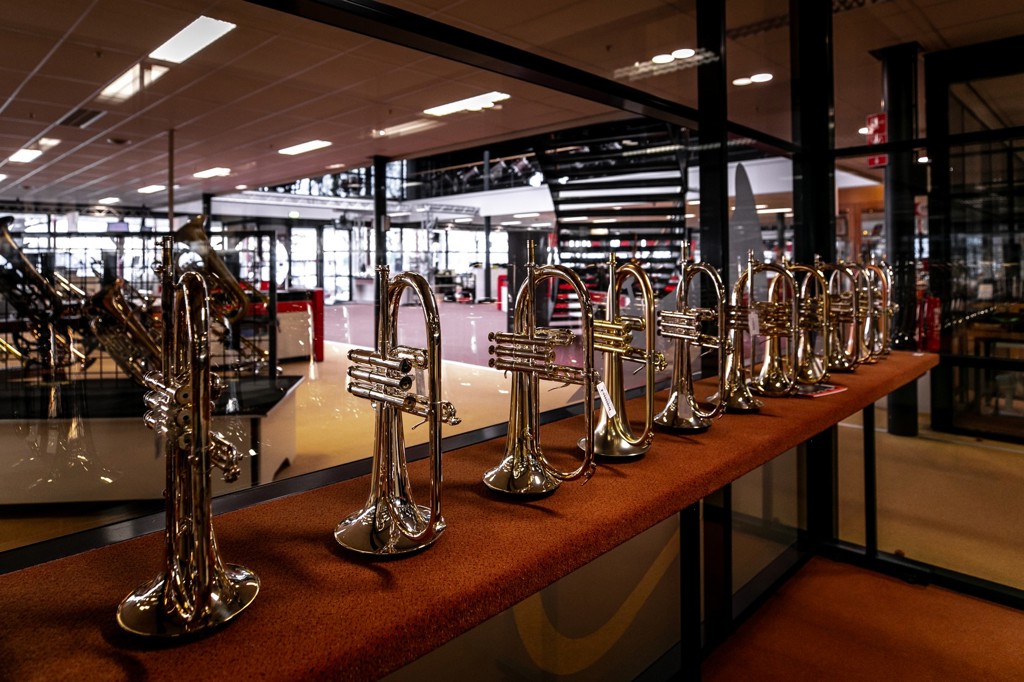
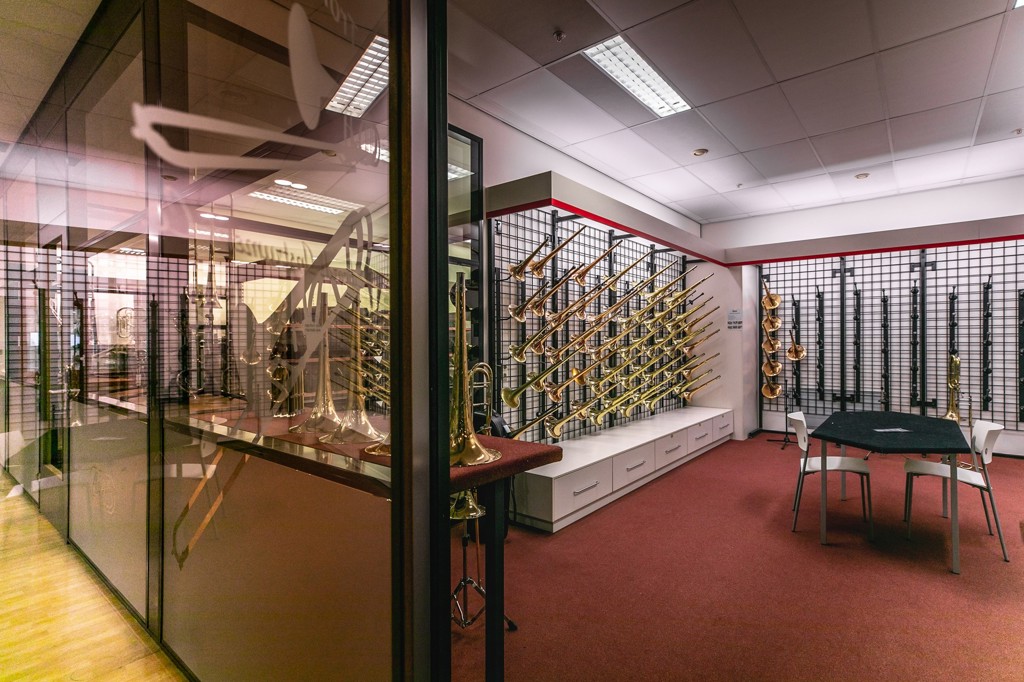
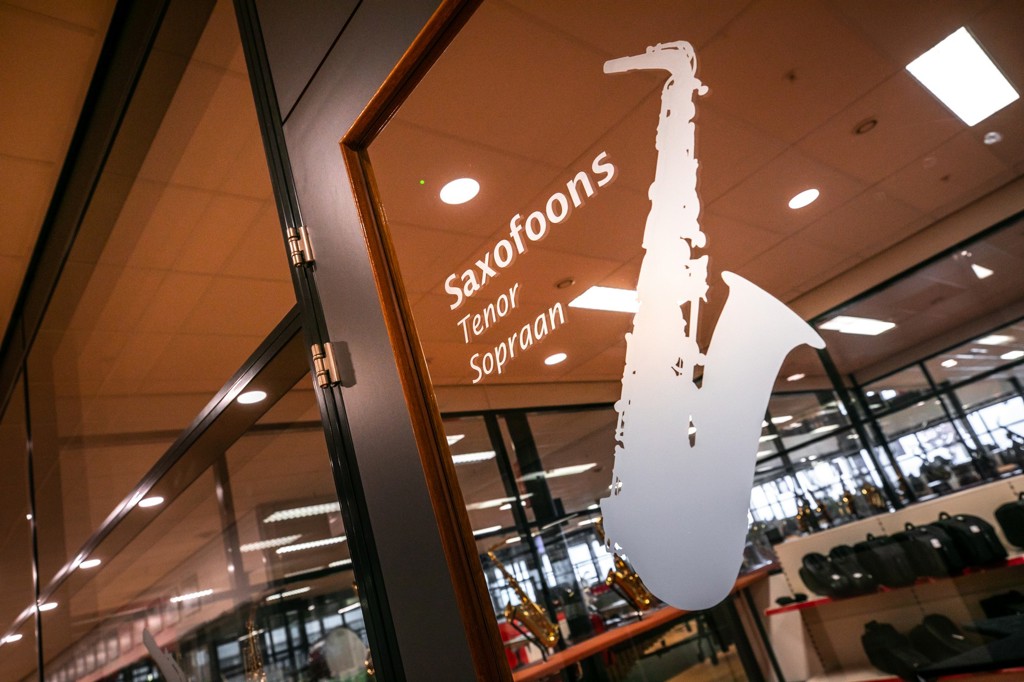
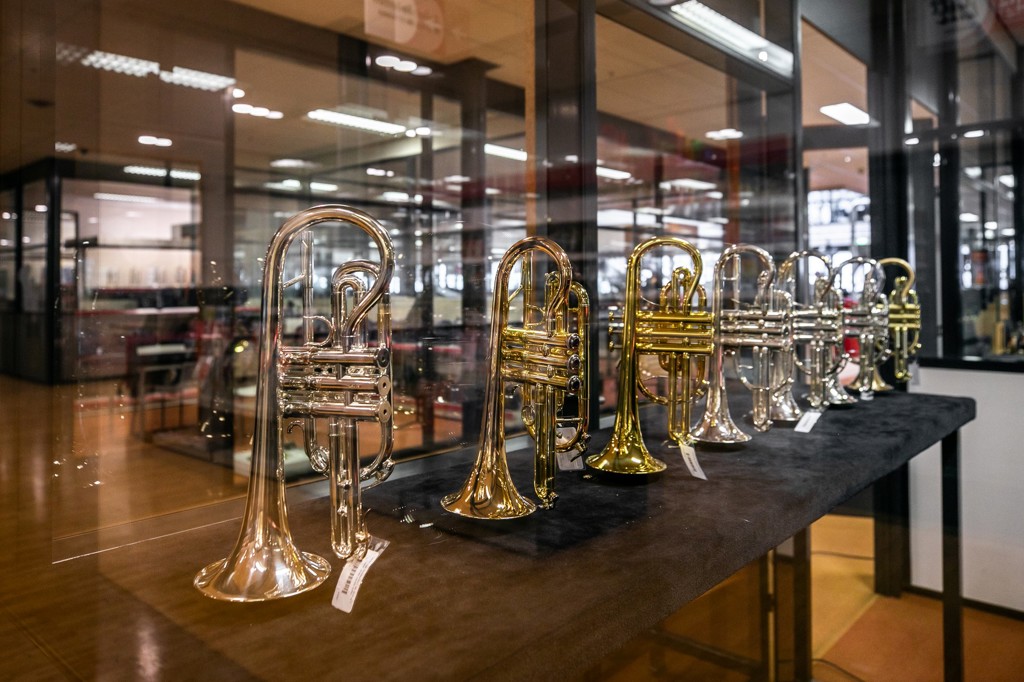
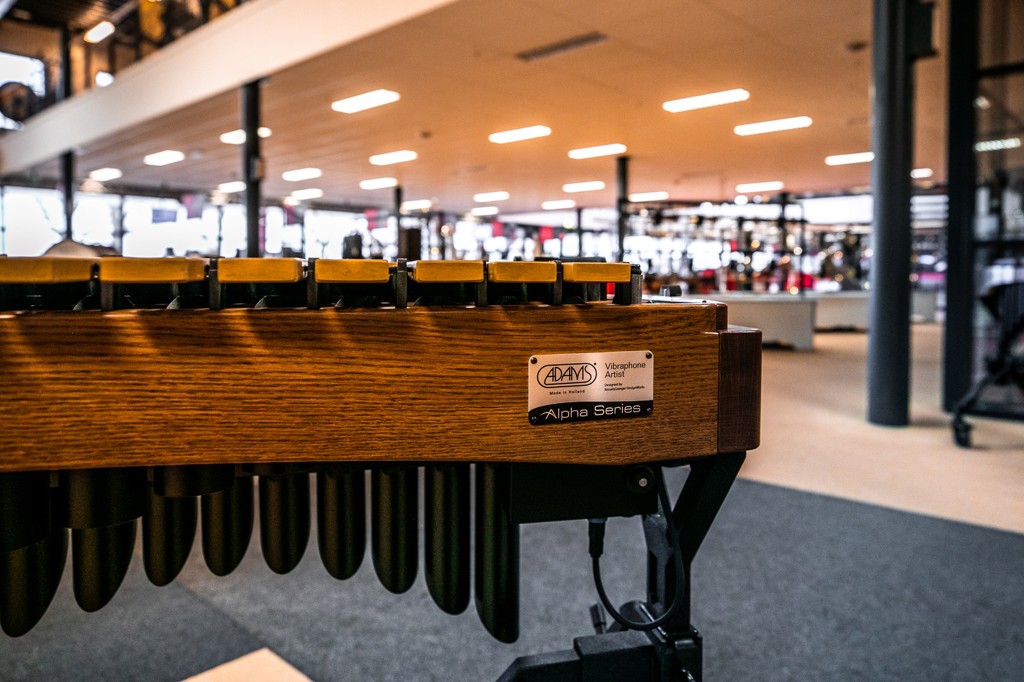
The difference lies in the materials, the build quality and the way the instrument responds to what you do. You truly hear the difference only when you test them side by side. In the stores in Ittervoort and Lummen, you can do this in test rooms with good acoustics and without background noise.
Tone color and nuance
A student model sounds clear and functional. It has sufficient volume for practice and produces a tone that is good enough for the first years. What it lacks is depth. The sound remains flat and emotion is difficult to convey.
A professional instrument responds to subtle differences. You slightly change your airflow and you hear it reflected in the color of the tone. You play pianissimo and the sound remains supported. You build a crescendo and the instrument follows without cracking or closing off. That flexibility comes from the quality of the material and the precision of the construction.
General or specialized
A student model is built as a neutral instrument. That is fine when you are starting out and do not yet know which direction you want to take. But once you develop your musical preference, you begin to feel the limitations.
A professional instrument can be chosen based on style. There are models specifically designed for classical music, jazz, rock, chamber music or solo work. That specialization lies in the bore, the bell diameter, the alloys and the mechanism. A saxophone for jazz responds differently than a saxophone specialized in classical music. A trumpet for orchestral work has a different tone color than a trumpet for jazz. These differences are subtle, but crucial for your style.
Response and attack
The response of a student model is forgiving. It forgives mistakes in embouchure and does not require perfect breath support. That is helpful for beginners, but it becomes a limitation once your technique improves. You want an immediate reaction to what you do, but the instrument slows down that feedback.
A professional instrument responds faster. You start a note and the instrument follows immediately. That speed gives you more control. You can play faster passages without the articulation fading. You can start more softly without the tone becoming unstable. And you immediately feel whether your technique is correct, because the instrument reacts honestly to what you do.
That directness does demand more from your technique. A professional instrument is less forgiving. It reveals when your breath support is incorrect or when your embouchure is unstable. That may sound like a disadvantage, but it helps you grow. You receive better feedback and you learn more quickly what works and what does not.
Materials and production
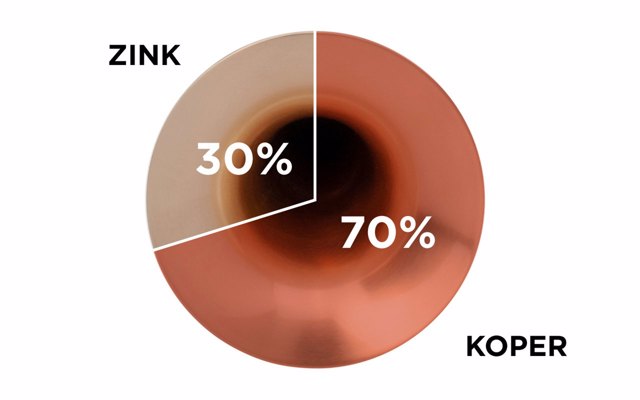
Student models are often made from less expensive alloys. Standard brass with a high zinc content is common because it is affordable and easy to work with. The mechanism is functional but not hand-adjusted. Valves have more play, pads close less precisely and solder joints are thicker. That is why most student models are much more affordable.
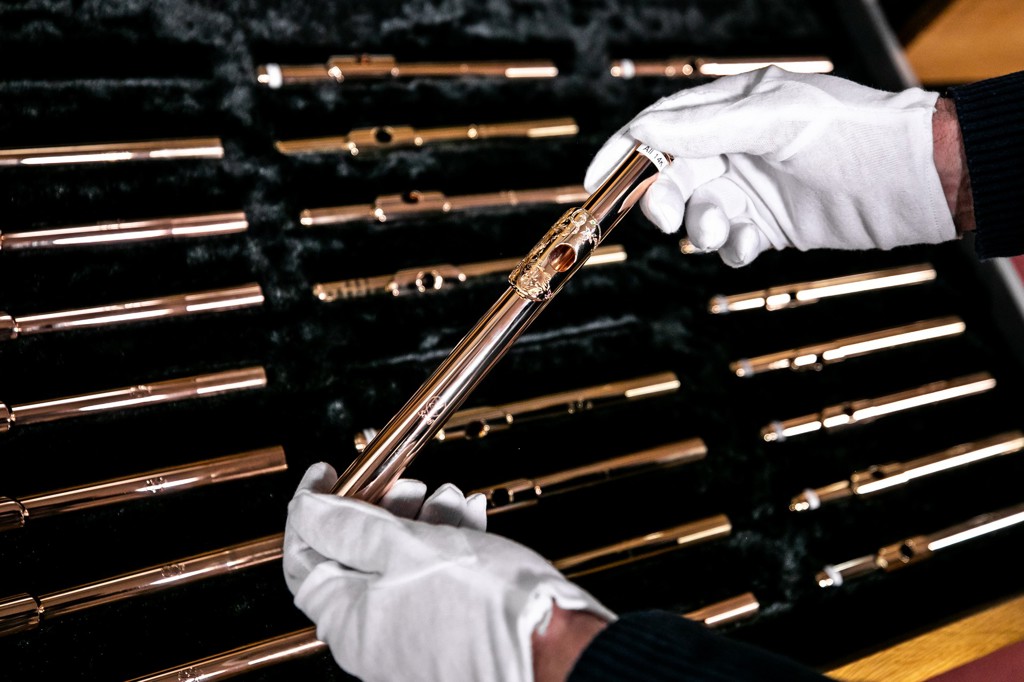
Professional instruments use higher quality materials. Brass with a higher copper content (such as gold brass) produces a warmer sound. The mechanism is adjusted more precisely. Valves are hand-lapped, pads seal airtight and solder joints are thinner and more neatly finished. The biggest difference in price lies in the labor that goes into the instrument.
These differences may seem small, but they add up. An instrument with better valves plays more easily. An instrument with a more precise bore has better intonation. You pay more, but you receive a product that performs better and lasts longer.
Experience in the test room
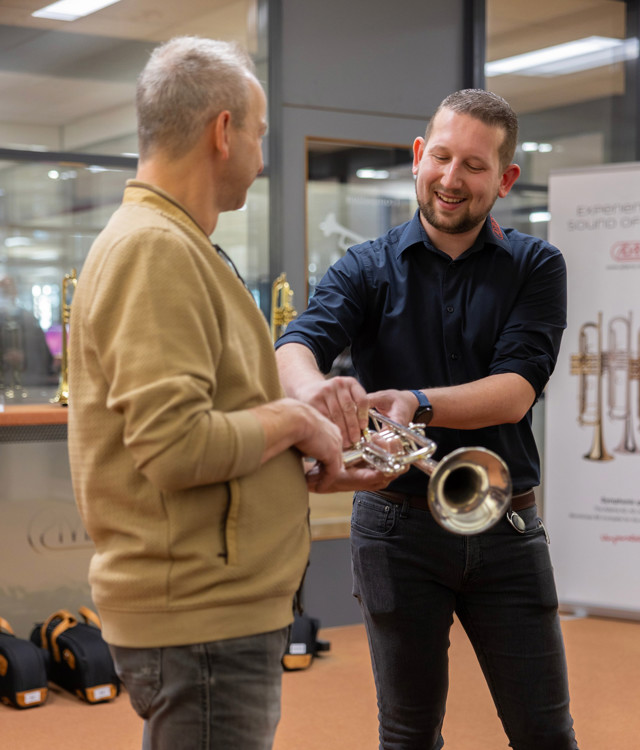
The difference between a student model and a professional instrument cannot be determined from a specification list alone. You have to hear and feel it. In the test rooms in Ittervoort and Lummen, you test instruments without other customers around you, without background noise, just you and the instrument.
Bring your own instrument, mouthpiece, ligature, reeds or sticks to the store. That way you compare instruments with what you are used to using. This allows you to make a fair comparison yourself. You play what you normally play and pay attention to how the instrument responds.
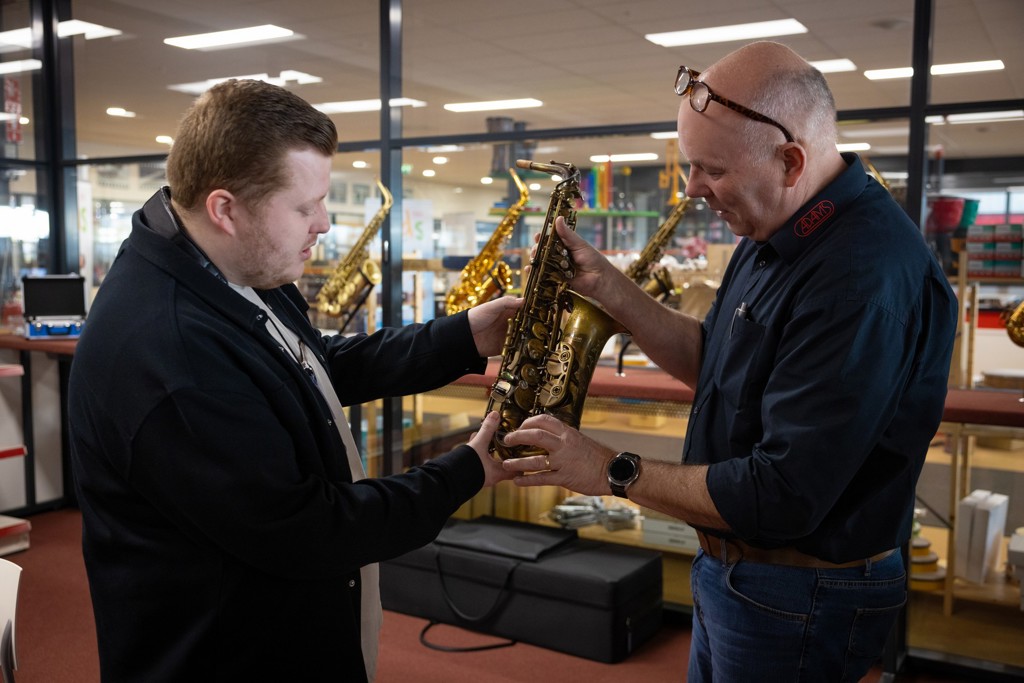
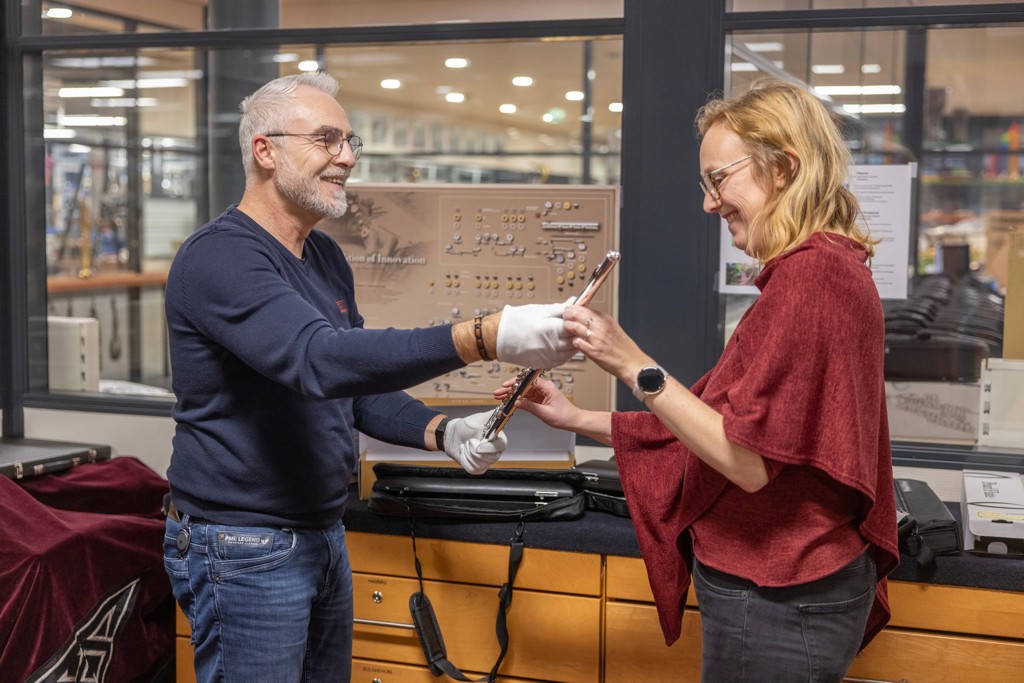
The advisors present are musicians themselves. They know what you are listening for and can help you hear the difference. They do not push for the most expensive model, but for the model that suits your way of playing. That can be an intermediate option, an entry-level professional model or a full top model. It depends on what you play and what you want to achieve.
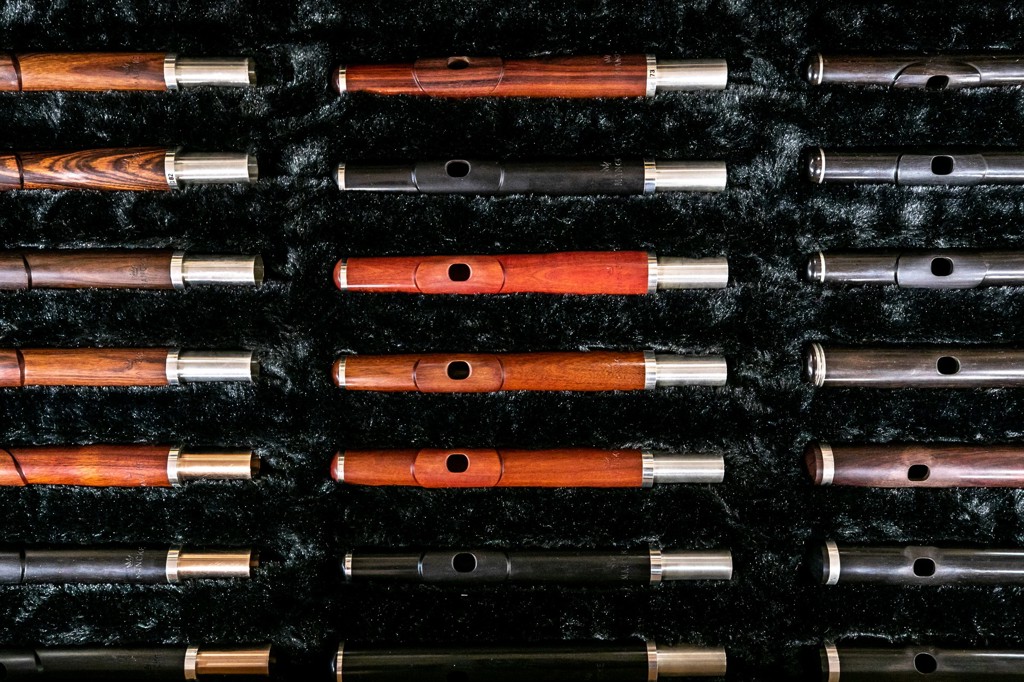
Top models are handmade. This means that even instruments of the same brand and type can differ from one another. Therefore, always test multiple examples side by side. The instrument you choose based on sound and feel is the instrument you take home. Whether it has been played before is irrelevant. What matters is how it sounds in your hands.
Not sure what to listen for?
These are the four things that make the difference:
- Intonation. Does the tone stay in tune at the highest and lowest registers? Play the extremes of the instrument deliberately.
- Response. How quickly does the tone speak at a soft pianissimo? A good instrument responds immediately, even with minimal air pressure.
- Ergonomics. Do the keys or valves sit naturally under your fingers? You should not have to think about it.
- Timbre and projection. Can you actively colour the sound? Ask an adviser to listen from a distance. What you hear and what the audience hears are two different things.
When are you ready for a professional instrument?
There is no fixed rule. There are logical moments: completing your C or D diploma, starting at the conservatory. But also when you notice that your current instrument is holding you back. When you are technically beyond what the instrument can handle. When you want to express more musically than it allows you to produce.
Many musicians wait too long. Especially because an instrument is an investment. They think that a professional instrument is only worthwhile for conservatory students. That is not correct. A better instrument helps you grow. It makes practicing more effective because you immediately notice the difference. It gives you the space to focus on music instead of compensating for technical shortcomings.
Would you like to know more about the signs that you are ready for an upgrade?
Read our in-depth article about when you are ready for a professional musical instrument.



Make the comparison yourself
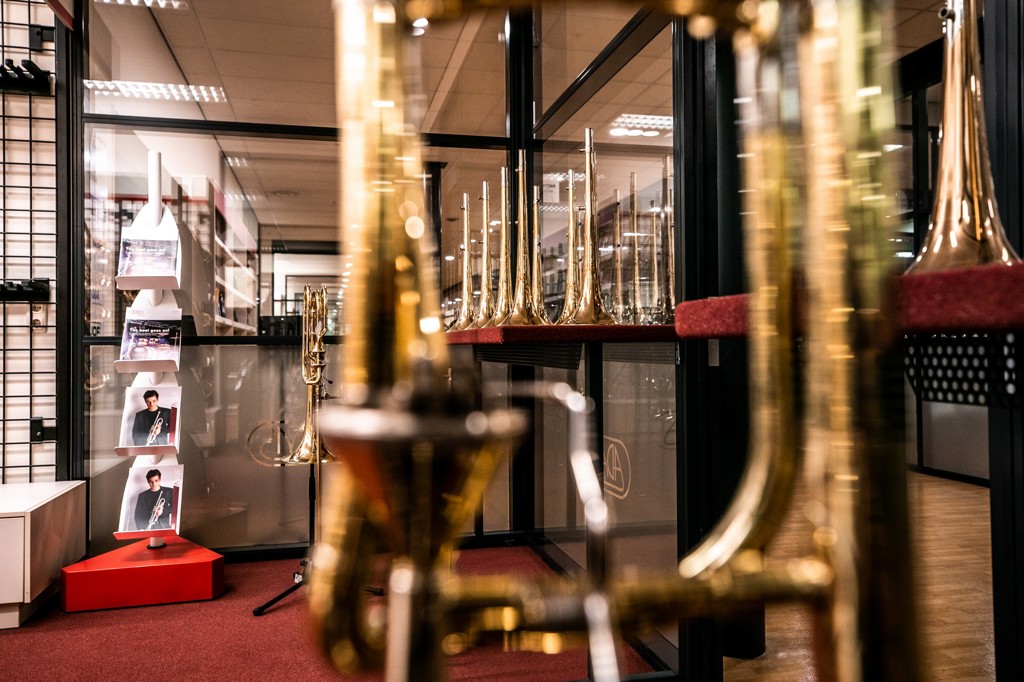
Visit Ittervoort or Lummen and test the difference. Play different models side by side and compare them with what you have now. Pay attention to the projection, tone color and response. Notice how easy or difficult it is to articulate, to play pianissimo and to build a crescendo. You will immediately feel whether the difference is significant enough to take the next step. And if you decide to upgrade, you can arrange the trade-in on the spot. No hassle with Marktplaats, no waiting for weeks. You hand it in, the value is deducted and you go home with an instrument that matches your level. Plan a visit to our stores and experience the difference between student and professional for yourself.
Ready for the next step?
Feeling like your current instrument is holding you back?
Book a no-obligation test session in Ittervoort or Lummen and hear the difference for yourself.
What do our customers say?
Customers from across Europe rate our service:
4.6 out of 5 stars on Google Reviews and 4.8 out of 5 stars on Trustpilot.
Have you recently shopped with us or used our services?
We would love to hear about your experience. Your feedback helps us to continue improving our service and makes it easier for other customers to make the right choice.
Google review Trustpilot review
Thank you for your trust and support! #TogetherInMusic
