Wind instruments and hygiene
14 October 2022
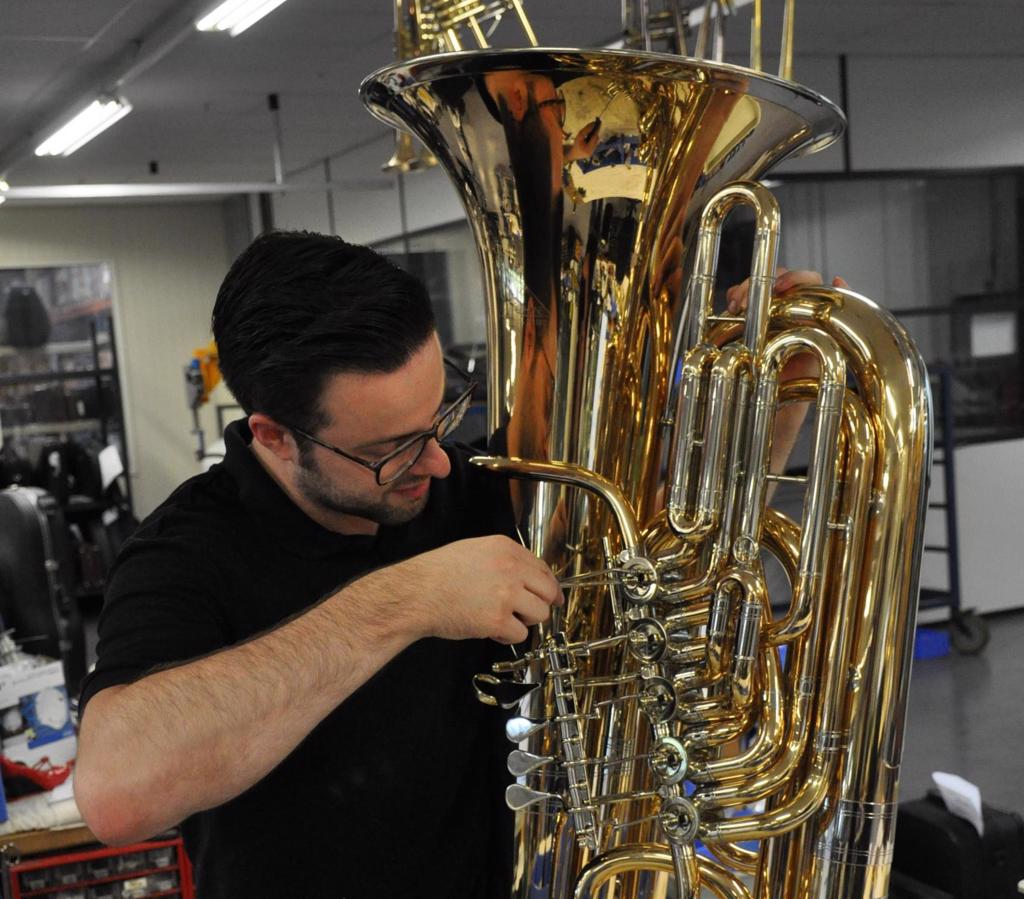
Kristof Thijs, repair technician at Adams Lummen, points out the importance of proper hygiene with wind instruments. With all the events surrounding the coronavirus, one thing has clearly come to the forefront of our lives: hygiene. It is something we generally handle well in our daily actions, but as a repair technician I notice that this aspect is often overlooked with musical instruments, usually out of ignorance.
The problem
When we blow into an instrument, we blow warm, moist air. The moisture in that air settles on the inner walls of the instrument through condensation. If we do not clean this properly, mould can develop, which we then spread further through the instrument by blowing. As a woodwind player, you often also "suck" back the saliva that has settled between the reed and the mouthpiece (or between the two reeds with double reed instruments). This means you take in these moulds again, which can lead to, among other things, pulmonary fibrosis.
What can we do about it?
Everything starts before you even take your instrument out of the case to play. Make sure your mouth is clean. Food residues and sugar deposits can encourage the development of mould. Your pads will also start sticking faster because of the sugar in your saliva. So during rehearsal breaks, do not eat nuts or cookies. It is also better to choose water over beer, your conductor will be grateful! Of course, make sure your hands are clean as well to prevent deposits on the outside of the instrument.
After playing, it is important to thoroughly clean your instrument, along with the mouthpiece and reed. We have the right swabs in stock for every instrument and mouthpiece. Always take your instrument apart. For example, do not leave your mouthpiece on the neck of your saxophone, as you will never be able to dry everything properly. Whatever you do, never leave the reed on your mouthpiece. This is a breeding ground for bacteria and mould that you will take in fully during your next playing session.
Once everything is properly dry, do not put the damp swab back in with your instrument! This is something many people overlook, but all the moisture you just removed from your instrument is then placed back inside in a closed space. Most cases have one or more side compartments, so it is better to store your swabs there. It is also a good idea to occasionally leave your case open at home overnight so it can dry as well.
The importance of annual maintenance
During maintenance, one of the things we examine is the condition of this "dirt buildup" in and on the instrument. Cleaning this is one of our core tasks. However, if the situation is too severe, standard maintenance will not suffice and the instrument will need to be overhauled, which is of course more costly. So keep your instrument in top condition by taking good care of it yourself and by not skipping your annual maintenance. This way, you will be able to enjoy your beloved musical companion for many extra years!
Source: www.vlamo.be