
How to Find the Right Clarinet
Purchasing a new clarinet can take a lot of time, and it remains a very personal choice. No one is the same, so every clarinetist or clarinet specialist has their own opinion and preference for which clarinet is the best. On this page, we do not provide specific recommendations but aim to discuss the available options so you can continue your search with focus.
Before deciding to purchase a new instrument, always consider alternative options. With your current clarinet, you can make a difference by replacing the mouthpiece or reeds. These parts of the clarinet have a significant impact on the sound and are cheaper to replace than the clarinet itself. You can try a wide range of mouthpieces and reeds in our stores.
What Kind of Clarinetist Am I?
First, we need to talk about you. Are you just starting out, have you been playing the clarinet for a few years, or are you a professional? This is important when selecting a clarinet. We typically categorize musicians into three groups: beginner, intermediate, and professional.
- By beginner, we mean people who are still learning the basics.
- An intermediate clarinetist has been playing for several years and is developing their own style.
- A professional artist or advanced player has their own style and is looking for an instrument that matches this style.
In addition to your level, it is also important to know in what setting you will be using the clarinet. Are you a clarinetist in a large orchestra? What type of music do you play the most, classical or light music?
For all clarinet players, a clarinet specialist at Adams is happy to help you find the right clarinet for you. When you start your search by discussing your preferences with a specialist, they can recommend several brands and models for you to try. This gives you a good starting point.
What Am I Looking for in a Clarinet?
To have a productive conversation with a specialist, it's important to organize a few things for yourself before making an appointment. The most important is your budget. You need to set this firmly for yourself. It’s very easy to get excited about a specific clarinet during the trial that doesn’t fit your budget.
Additionally, it’s helpful to write down a few preferences. What do you want to be different from your current clarinet? Do you want a warmer or brighter sound? How well should the clarinet project? Are you missing some power? With a wish list, a clarinet specialist can more effectively help you find your ideal clarinet.
Which Clarinet Brand Suits Me?
As a clarinetist using the French Böhm system, you can hardly ignore Buffet Crampon. Rightly so, they have been making the best 'French' clarinets in the world for years. Together with Selmer, they are two French brands at the top. Besides French clarinet makers, we also offer a Canadian brand at Adams: Backun is a relatively young brand that makes high-quality clarinets. If you use the German Oehler system, Uebel is the brand you can test at Adams.
Furthermore, each clarinet manufacturer uses their own ergonomic placement of the keys on a clarinet. This does not change the sound, but it does affect how the clarinet feels in your hands. Therefore, it is important to always try clarinets from different brands before making a final decision.
Which Material Should I Choose?
The choice of material has a significant impact on the sound, projection, and overall performance of clarinets. Below, we briefly discuss the different types of wood used in making these instruments. Want to know all the details about the types of wood used in clarinet making?
Grenadilla
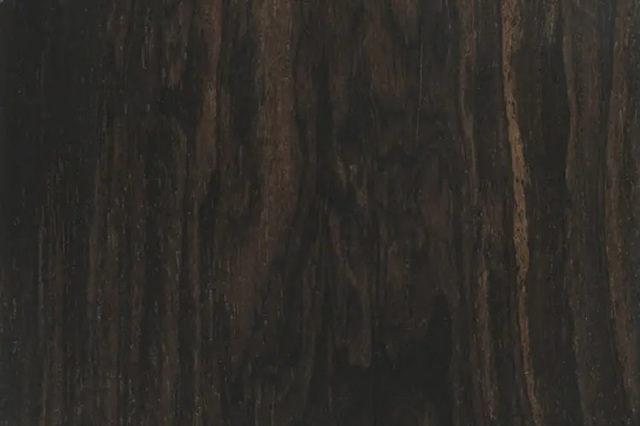
Grenadilla is by far the most commonly used wood for clarinets. For most clarinetists, this wood is also the best choice. The compact, centered sound and excellent projection make grenadilla clarinets very suitable for clarinetists in larger orchestras.
Boxwood
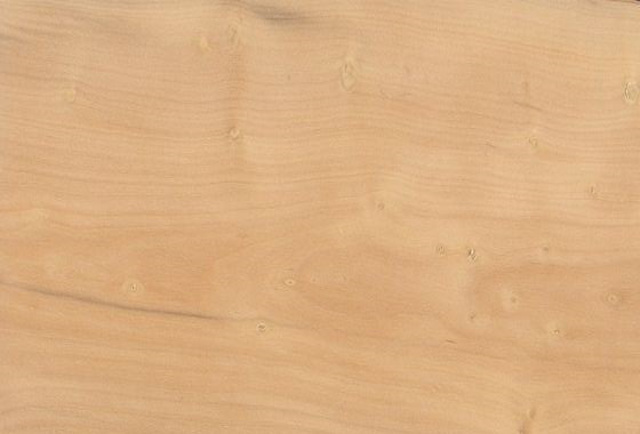
Before African grenadilla became popular, boxwood was the standard for clarinets. Because boxwood grows so slowly, many brands switched to grenadilla. In terms of sound, boxwood is lighter in color and has a softer and rounder timbre than grenadilla.
Mopane
Mopane is a relatively new wood in the clarinet world with a beautiful red color. The sound has a compactness similar to boxwood, providing an even greater dynamic range. It has better projection than grenadilla.

Cocobolo
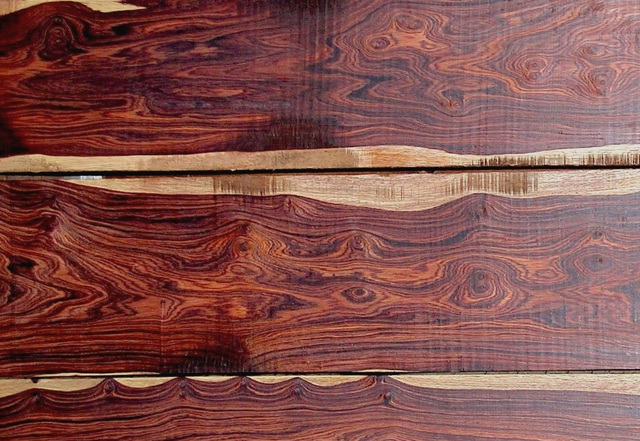
Cocobolo has a looser fiber structure compared to other woods, making it particularly suitable for deep-sounding instruments. Therefore, cocobolo is primarily used in the construction of basset horns and bass clarinets.
Plastic
In addition to wood, clarinets are also made from plastic. Plastic is generally used for clarinets that are played outdoors. Furthermore, many children start with a plastic clarinet because they are much easier to maintain and less susceptible to damage.
Which Model Suits Me?
By now, you have an idea of your level, the type of music you want to play, and the material that seems best for you. You may even have found a few brands that feel right. A brand usually has different models that meet your requirements.
One of the biggest differences in sound between different models within a brand is the bore, the hollow space inside a clarinet. This difference is usually not visible to the naked eye but significantly impacts the sound of the clarinet. Together with the material and you as the player, the sound of the clarinet is created.
During testing, you will discover which model suits you best. This is the time to contact one of our clarinet specialists and schedule an appointment to test the clarinets you have in mind.
Ready to Test!
We recommend making an appointment with us before coming to test clarinets. This way, you can be sure that the clarinets you want to test are available from our stock. You can make an appointment by sending an email to: [email protected]
How to Test a Clarinet
As you have read earlier, not all clarinets are the same; each brand, model, and even individual clarinets often have a unique intonation and tone color. The best way to test a clarinet is to go with someone else. If you bring along someone who also plays the clarinet, you can listen to how the instrument sounds from a distance. This way, you also hear how the clarinet sounds to your audience. Additionally, you have someone to discuss everything with during the testing process. If you are a clarinet player yourself, it is easy to get lost in the moment and not be critical enough. Our clarinet specialists are, of course, always ready to advise you and discuss the differences with you.
For beginner clarinetists, it is even more important to bring someone who has been playing the clarinet for a while. For musicians, when you go to try out a clarinet, always bring the following items:
- The mouthpiece you currently play on.
- Your current clarinet.
- Cork grease.
- Tuner.
- Reeds of different strengths.
- A piece of music that you know inside and out.
Play the same piece of music on each clarinet with the mouthpiece you are used to playing on. If you play different styles, bring sheet music for all styles. This way, you can really hear the difference in tone between each clarinet.
This is the Service Adams Offers You!
Adams Music Centre has a large assortment of clarinets in stock. Not only Bb clarinets but also bass clarinets, A clarinets, and Eb clarinets. We often have multiple pieces of one model in stock so that you can go home with the best clarinet for you!
After making your choice, Adams Music Centre ensures that the instrument is properly adjusted and in good technical condition. Furthermore, when you purchase a new instrument, we offer a service check. After a few months, you can bring your instrument back, and we will inspect it. If necessary, we will readjust the clarinet. All instruments that leave our store are checked once before sale. If anything needs to be adjusted or replaced, we often do this at no cost before the purchase. We make sure that your purchase leaves our store in top condition.
Frequently Asked Questions
Which clarinet is suitable for a beginner?+
For a beginner, we recommend a synthetic clarinet or an entry-level grenadilla model from a renowned brand. Synthetic is easier to maintain and less prone to damage: ideal for young players. A wooden beginner's instrument is also a good choice if you plan to keep playing for a longer period. At Adams, you can try out both options in our stores in Ittervoort and Lummen.
Is a wooden clarinet better than a plastic one?+
Not necessarily better, but different. A wooden clarinet has a warmer, richer sound that resonates more fully. Plastic is more durable, less sensitive to changes in temperature and humidity, and easier to maintain. For beginners and outdoor playing, plastic is often the smarter choice. For advanced players, wood is almost always preferred.
Should I buy a new or second-hand instrument?+
That depends on your budget and level. A second-hand instrument from a reputable brand can be excellent if it has been professionally checked. At Adams, second-hand instruments are brought up to technical standard before they leave the shop — they are ready to play straight away. A new instrument gives you the security of a manufacturer's warranty and an instrument set up specifically for you.
Can I try a clarinet before buying?+
Yes, and we strongly recommend it. At Adams in Ittervoort and Lummen you can test clarinets in a quiet practice room. We advise you to make an appointment so that the models you want to compare are ready for you. Bring your own mouthpiece, reeds and a piece of music you know well for the fairest comparison.
What is the difference between Buffet Crampon, Selmer and Backun?+
All three are top brands for the Böhm system, but they sound and feel different. Buffet Crampon has a bright, projecting tone and is the standard in many European orchestras. Selmer has a slightly darker, fuller sound. Backun is a younger Canadian brand known for high manufacturing precision and a warm tone. Which suits you best is something you can only discover by playing them side by side.