
Mouthpieces for Brass Instruments
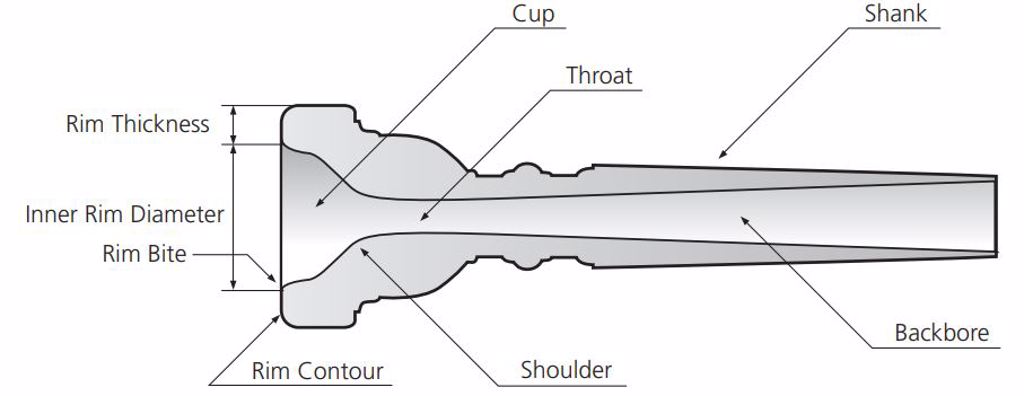
How does the mouthpiece of a trumpet, trombone, or tuba work? You may already know that the vibration is initiated by the lips, which ultimately produces the sound. But what makes the mouthpieces different from one another? Below, we discuss the various parts of a mouthpiece, such as the cup, bore, and rim, and their influence on the sound.
The Cup
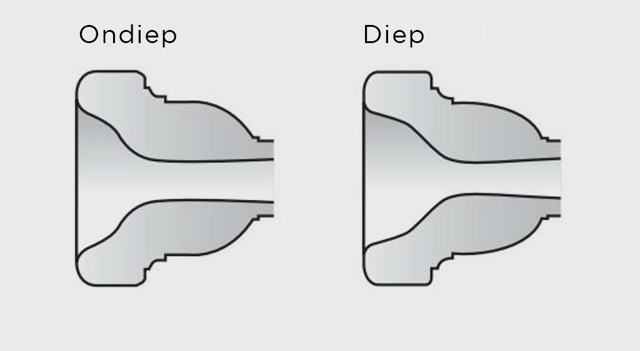
The cup is the bowl at the entrance of the mouthpiece. The shape of the cup determines the tone color of the mouthpiece. A shallow cup produces a bright, sharp sound and makes it easier to play high notes. A deep cup provides more volume and a rich, even tone but makes high notes more challenging. Most players start with a medium cup, which offers a balance between these two worlds.
Cup Shape
There is also a difference between a cup with a V shape versus a cup with a U shape. A U shape generally produces a brighter sound and makes it easier to hit high notes. A V shape, on the other hand, typically makes it easier to play low notes and results in a darker sound. Some horn mouthpieces use a "double cup" design, which combines the two shapes to facilitate playing across the entire range of the horn.
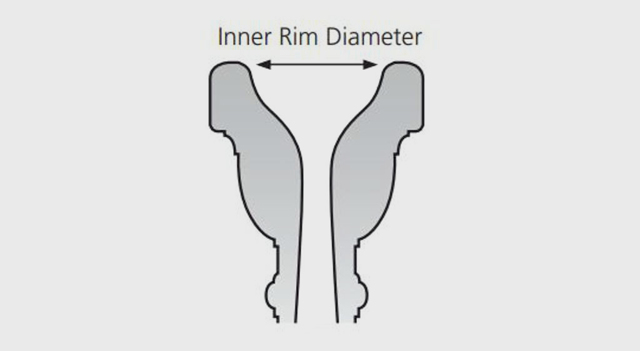
The cup diameter affects both sound quality and ease of playing. A larger diameter is harder to play and produces a broader sound because more of the lip surface fits into the cup, requiring more muscles around the mouth to work. However, this can lead to faster muscle fatigue. A smaller diameter is easier to play but offers less mobility. The ideal cup diameter depends on a player's physical characteristics, including jaw placement, teeth alignment, breathing technique, and lip muscle composition.

Cup Rim
The thickness of the cup rim affects the mobility of the lips, the ease of using tonguing techniques, and the comfort of playing. A thinner rim provides more flexibility and control, while a thicker rim offers greater comfort but makes flexible playing more challenging. Most players start with a rim of medium thickness.
Bore
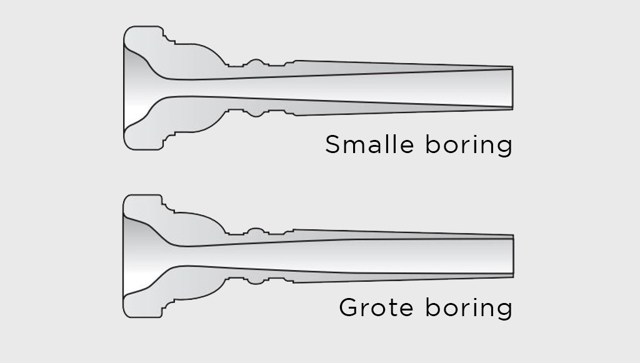
The bore of the mouthpiece influences the development of sound volume in the instrument. A narrower bore provides more resistance, making it easier to play high notes, and produces a brighter sound. A larger bore, on the other hand, helps achieve lower notes and results in a darker tone.
Finally
Finally, it’s important to remember that choosing a mouthpiece is a personal decision. What works for one person may not work for another. You are always welcome to visit our stores to test mouthpieces. Would you like to try a specific mouthpiece? Please contact us first, so we can let you know if it’s available at one of our locations.